

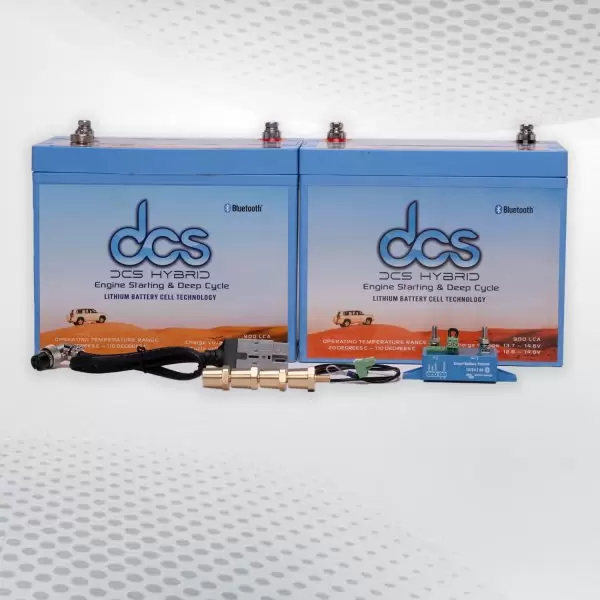

If you’re considering a dual battery system for your vehicle, you may wonder what kind of battery is best for this setup. Lithium batteries are becoming increasingly popular for dual batteries due to their many benefits. In this blog post, we’ll discuss reasons why a lithium battery for dual battery system is perfect. With this information, you’ll be able to make an informed decision about whether or not a lithium battery is the right choice for your needs.
What is a dual battery system, and why do you need it?
A dual-battery system is an arrangement of two batteries used in vehicles to power accessories or appliances when the engine is not running. The primary battery in the car is used to start the engine. In contrast, the second battery, commonly called the auxiliary or house battery, is used to power camping gear, refrigerators, winches, and other electronics.
The primary reason for installing a dual battery system is to avoid draining the main battery while powering other devices. With a dual battery system, the house battery can be isolated and recharged separately, ensuring that the vehicle’s primary battery is always available to start the engine. This is especially important when camping or off-roading, where you need a reliable power source for extended periods.
Dual battery systems come in two types: lead-acid and lithium. While both methods can deliver sufficient power to run electronics, lithium batteries have several advantages over lead-acid batteries. The following section examines the benefits of using lithium batteries for dual-battery systems.
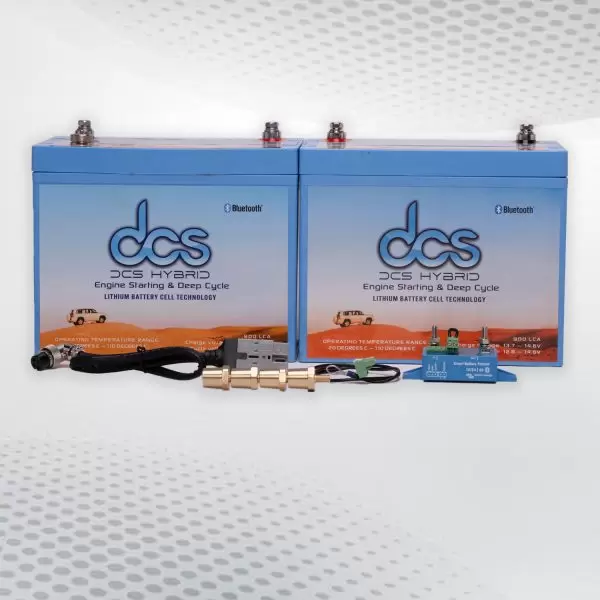 Lithium dual battery systems
A lithium battery can be a game changer when setting up a dual battery system. Lithium is incredibly lightweight, compact, and powerful unlike traditional lead-acid batteries. This means you can get much more power from a smaller package, making it the ideal choice for off-road adventures, camping trips, and other outdoor excursions.
A lithium dual battery system offers several benefits. For starters, it has a longer lifespan than other battery types, making it a more cost-effective choice in the long run. Additionally, lithium batteries can handle deep discharge cycles without getting damaged or losing their ability to hold a charge. This makes them great for powering energy-intensive devices like a fridge or lighting setups.
One of the most significant advantages of using a lithium dual battery system is the faster charging time. With a lead-acid battery, recharge can take up to 12 hours or more, which can be a real headache when you’re out on the road. In contrast, lithium batteries can recharge much faster, typically within just a few hours. This means you can spend more time enjoying your adventure and less worrying about keeping your batteries charged.
Overall, a lithium dual battery system is the perfect choice for anyone needing reliable, long-lasting power. Whether planning a camping trip, going on a road trip, or just needing an extra power source for your outdoor adventures, a lithium battery can help you get the most out of your gear. So if you’re considering setting up a dual battery system, choose a lithium battery to enjoy all these great benefits.
Long lifespan
One of the main advantages of using a lithium battery for your dual battery system is its long lifespan. Lithium batteries are known to have a significantly longer lifespan than traditional lead-acid batteries, making them a cost-effective and reliable choice in the long run.
The average lifespan of a lithium battery can be up to 10 years or more, depending on the type of battery and usage. In comparison, lead-acid batteries typically last 2-5 years, making them less durable and requiring frequent replacements.
This longer lifespan saves you money in the long run and reduces your environmental impact by minimizing battery waste. With a lithium battery, you can enjoy the benefits of a dual-battery system for many years.
Dual battery system lithium
Lithium batteries are perfect for dual battery system lithium because they have a high energy density, meaning they can store a lot of energy in a small size. This makes them lightweight and compact, perfect for use in a dual-battery system where space and weight are limited.
Additionally, lithium batteries have a longer lifespan compared to traditional lead-acid batteries. This means they can withstand more charge and discharge cycles, making them a more cost-effective option in the long run.
Lithium batteries are also capable of fast charging, allowing them to be quickly charged when power is available. This is especially useful when there is limited battery charge time, such as in off-grid living or camping.
Furthermore, lithium batteries require very little maintenance compared to lead-acid batteries, as they do not require water or other fluids to be added regularly. This means they are an excellent option for a hassle-free dual-battery system.
Finally, lithium batteries can handle deep discharge cycles, meaning that they can be used until they are almost entirely depleted without causing damage to the battery. This is a significant advantage over traditional lead-acid batteries, which can be damaged if discharged too deeply.
Faster charging
One of the significant benefits of using a lithium battery for your dual battery system is its faster charging capabilities. Lithium batteries can be charged at a much quicker rate compared to traditional lead-acid batteries. This means you can recharge your batteries more quickly and return to the road in no time.
Lithium batteries can handle a high charging rate, up to 5 times faster than traditional lead-acid batteries. Additionally, they can also be charged using a variety of methods, including solar panels and generators. This gives you more flexibility and options when charging your batteries.
Another advantage of faster charging is that it reduces the time your engine needs to run to recharge your batteries. This saves you fuel and reduces wear and tear on your vehicle’s engine. It also means you can spend more time camping or exploring rather than waiting for your batteries to recharge.
Overall, faster charging is a huge advantage when using a lithium battery for your dual battery system. It gives you more flexibility and convenience and reduces the time you spend waiting for your batteries to recharge. A lithium dual battery system is the way to go if you want a reliable and efficient power source for your next adventure.
Lightweight and compact
When adding a second battery to your vehicle, space is often limited. With a lithium battery, you don’t have to worry about adding too much weight or taking up too much room. Lithium batteries are significantly lighter and more compact than their lead-acid counterparts. This means that you can easily fit them in your vehicle without adding extra weight that could negatively impact fuel efficiency. Additionally, a lithium battery takes up less space, allowing you more room for other essential gear in your vehicle. So if you’re looking for a battery that won’t take up too much space and won’t weigh you down, a lithium battery is the way to go.
Maintenance-free
One of the most significant advantages of using a lithium battery for your dual battery system is that it requires little maintenance. Unlike lead-acid batteries that need to be regularly checked for water levels and charged with a specific voltage, lithium batteries don’t require special care. This is because they are built with an intelligent battery management system (BMS) that monitors the battery’s charge levels and prevents overcharging or over-discharging.
Not only does this make it easier to use, but it also means that you don’t have to worry about replacing your battery as often. Lead-acid batteries require constant monitoring to ensure they don’t become damaged, but lithium batteries are much more durable and can last up to ten years without needing replacement.
Overall, using a lithium battery for your dual battery system can save you time and money on maintenance costs while providing you with a more reliable and long-lasting power source.
Can handle deep discharge cycles
One of the most impressive benefits of using a lithium battery for your dual battery system is its ability to handle deep discharge cycles. This means you can discharge your battery much lower than a traditional lead-acid battery without damaging or reducing its capacity.
Deep discharge cycles are inevitable when using a battery-powered system, and they can significantly affect the lifespan of your battery. Repeating your battery below 50% capacity will cause premature wear and tear, ultimately reducing the battery’s overall power. This is not the case with lithium batteries.
Lithium batteries are built to handle deeper discharge cycles without damage. They can safely discharge to as low as 20% capacity, which means you can run your dual battery system for longer without worrying about damaging your battery.
Additionally, lithium batteries have a higher capacity compared to lead-acid batteries. This means that you can safely use more of your battery’s power without the risk of damaging it. With a lithium battery, you can use your dual battery system for extended periods without recharging frequently.
Handling deep discharge cycles is a significant advantage of using a lithium battery in your dual battery system. With its ability to handle low discharge cycles and provide a higher capacity, you can maximize your battery’s lifespan while ensuring your system stays up and running longer.
Conclusion
Using a lithium battery for your dual battery system can provide numerous benefits. Not only are they incredibly durable and able to handle deep discharge cycles, but they’re also lightweight, compact, and maintenance-free. In addition, they charge much faster than traditional lead-acid batteries, making them an excellent choice for those who regularly rely on their battery power. With their long lifespan and impressive performance, it’s easy to see why lithium batteries have become the preferred choice for dual battery systems. So if you’re considering upgrading your system, give lithium batteries a closer look!