

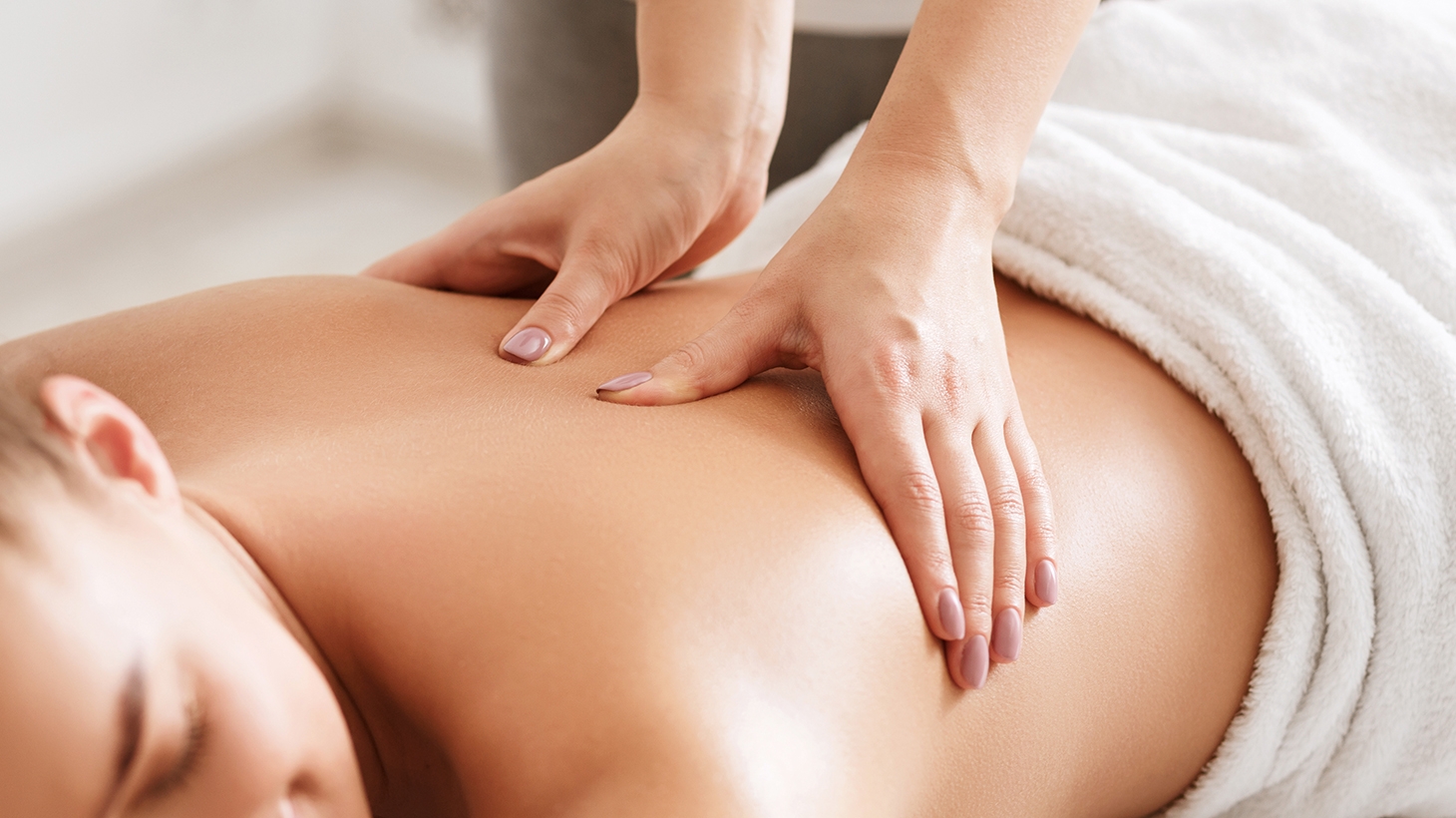

Massage therapy is a popular form of alternative medicine. It’s a great way to relieve stress, boost circulation, and feel more relaxed. But not every massage is created equal—many different techniques are used in the field. In this article, we’ll outline some of the most common methods used in remedial massage South Melbourne today to see which would best suit your needs or interests.
What are Remedial Massage and It’s Purpose?
Remedial massage is the use of massage to help address specific health conditions. It’s different from general relaxation massage in that it treats certain areas or symptoms, such as muscle tightness and pain. Remedial massages are often used for various reasons: to relieve pain and tension in muscles caused by injury or overuse, to improve circulation in the body, and to reduce inflammation and stiffness in joints (such as those found in arthritis).
Remedial massages can also be beneficial for people who suffer from headaches or migraines, insomnia (often due to stress), anxiety disorders, chronic fatigue syndrome (CFS), fibromyalgia syndrome (FMS), multiple sclerosis (MS), or other neurological disorders involving muscle spasms such as Parkinson’s disease.
 Benefits and Goals of Remedial Massage
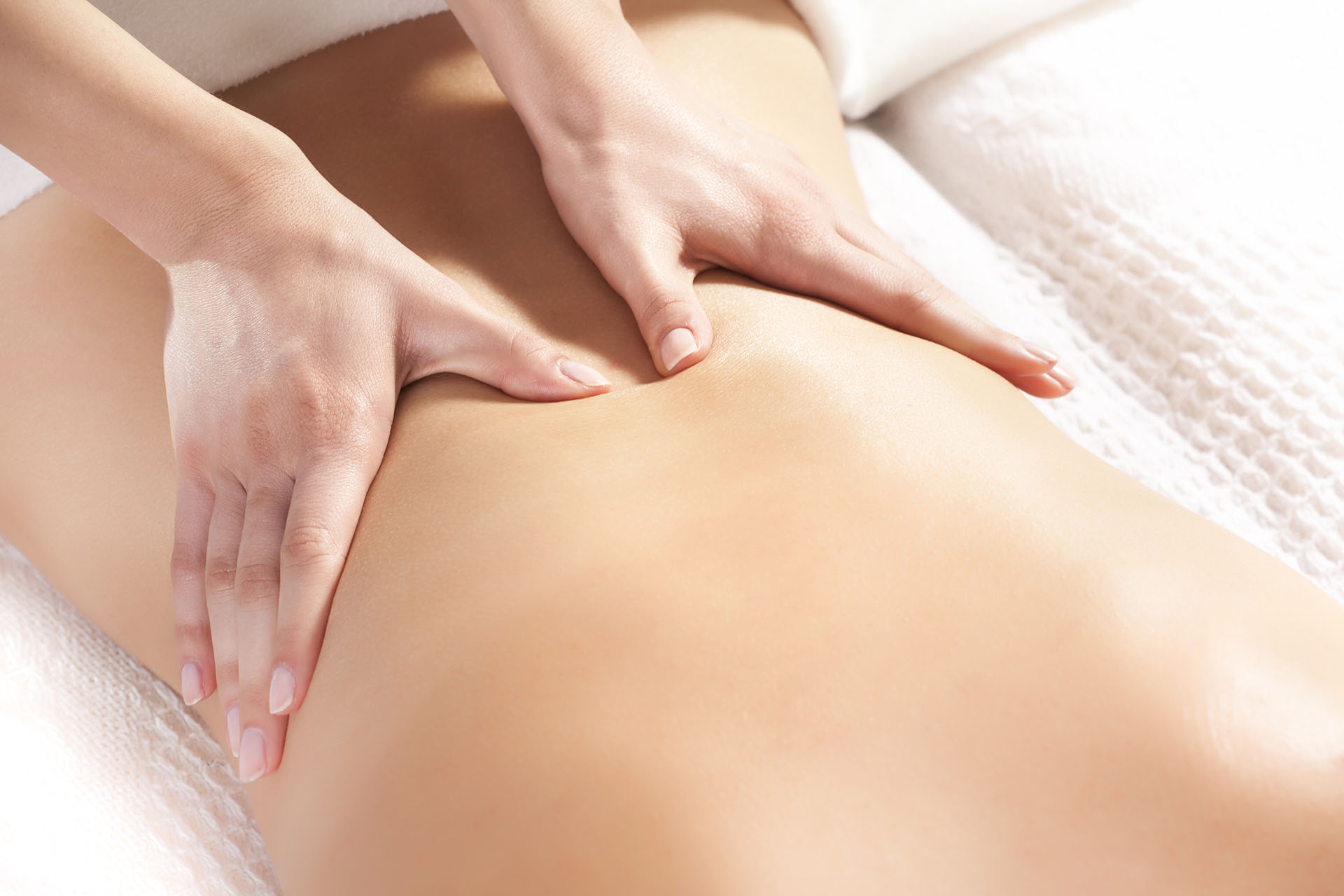
Remedial massage is a form of bodywork that relieves pain, improves range of motion, and increases muscle strength. It can also help you recover from injury or surgery by reducing swelling and inflammation. It’s important to note that remedial massage differs from traditional Swedish massage in several ways:
- Remedial massage therapists use deeper pressure on specific body areas to address your unique needs. For example, suppose you have back pain from a car accident or sports injury (or any other reason). In that case, your therapist will focus on those areas with targeted moves explicitly designed for this problem.
- Most people who receive regular Swedish massages don’t benefit much from them because they don’t address any underlying causes for their discomfort–they treat symptoms like tightness or soreness without addressing the root cause(s) behind them!
Assessing Clients’ Needs and Conditions
As a remedial massage therapist, you must assess your client’s needs and conditions before beginning treatment. The first step in this process is asking questions about their current state of health, including:
- Pain level (on a scale from 1-10)
- Duration of pain/discomfort
- Frequency of pain/discomfort episodes (daily, once per week, etc.)
- Specific areas of pain (back, neck, knee, etc.) History of pain (if it has been present for long periods)
This information will help you determine the treatment type most effective for your client. For example, suppose they have been experiencing pain for many months or years. In that case, starting with a gentle massage that focuses on relaxation and stress relief before working deeper into the tissue may be more appropriate.
If your client is experiencing a recent onset of pain or discomfort, start with a more vigorous massage focusing on increasing blood flow and reducing inflammation. Once you have determined your client’s best course of action, begin by asking them if any areas are incredibly sore or tender before beginning treatment.
Techniques Used In Remedial Massage South Melbourne
Remedial Massage South Melbourne is used to treat muscle pain and tension. It can help to release trigger points in the muscles, which are knots or areas of tightness that can cause pain in other parts of the body. Deep tissue massage is often recommended for people with chronic back pain and those who need relief from injuries such as sprains and strains.
In some cases, deep tissue massage may be used alongside other treatments like physiotherapy or chiropractic work so that they work together to resolve your condition more effectively than either treatment alone The massage therapist will use their hands, elbows, and forearms to apply pressure to muscles in your back.
The therapist may also use their feet or a rolling ball to help provide relief from areas of pain. This type of massage is usually done on the floor in a room with soft lighting and music playing in the background.
Applying Correct Body Mechanics for Therapists
The following are some tips for therapists to follow when applying massage techniques to their patients:
- Make sure you are not over-stretching. The goal of remedial massage is to relieve pain and discomfort, not cause further injury by stretching too far. If a muscle feels tight or tense, gently massage around it until you find the point where there is tension and apply pressure on that spot until the muscle relaxes again. This should be done slowly and gently so as not to unnecessarily strain yourself or your client!
- Use your body weight effectively when applying pressure with your hands and elbows (if applicable), feet (if applicable), and knees (if appropriate). This can help give more force behind each stroke without putting too much strain on either party involved in treatment sessions like these here today at [your business name].
Utilizing Trigger Point Therapy
Trigger point massage is a type of deep tissue massage that focuses on releasing tight, knotted muscles. Trigger points are knots or areas of tenderness within the power that result from injury or overuse. They can cause pain and inflammation in other parts of the body as well, so they’re essential to treat whenever you find them during your sessions with a therapist.
To give yourself some relief from these painful spots, try these tips:
Find out where your trigger points are located by self-massaging with a foam roller or tennis ball (if you don’t have access to either one). Roll over any area where you feel discomfort until it relaxes into its normal state again–you’ll know if it’s working because there will be less tension afterward! You may not notice any change right away, but once those knots start getting worked out under pressure, they’ll eventually stop hurting so much…or at least not hurt quite as much anymore 🙂
Your therapist might use heat packs along with their hands when applying pressure during each session for maximum benefit; however, this method isn’t always feasible due to its high cost ($$$$) as well as availability issues since many patients don’t live close enough together geographically speaking so opt for regular massages instead which typically cost less money overall but still provide similar results nonetheless.”
Deep Tissue Massage for Muscle Tension
A deep tissue massage is a form of bodywork focusing on the deeper muscle and connective tissue layers. It differs from other types of massage in that it uses more pressure, friction, and intensity to target trigger points–the knots in your muscles that cause pain or discomfort when pressed.
It can help relieve muscle tension by releasing these trigger points so you can move more freely again. Common areas where people experience deep tissue pain include their back, neck, and shoulders; they may also have trouble sleeping due to this pain keeping them awake at night (especially if they sleep on their stomach).
Deep Tissue Massage Techniques:
Effleurage:
This technique involves long strokes up and down the body with moderate pressure applied using gliding motions over the surface layer (epidermis) without breaking through into deeper levels beneath it.
Petrissage/Kneading:
This type of kneading motion involves both hands working against each other’s palms while applying direct pressure onto targeted areas.
Tapotement:
Similar but less forceful than petrissage/kneading techniques described above; this method involves lightly tapping all over entire body parts and specific areas like ankles/feet, etc.
Friction:
Used mainly during end stages when a client has already been treated successfully via previous techniques mentioned above; friction involves rubbing two thumbs together rapidly until heat builds up within one hand before applying directly onto the affected area(s).
Documenting Progress and Treatment Outcomes
It is essential to document the progress of your client. This can be done by using a treatment log, which will help you track their progress and keep a record of what you have done for them in case of any questions from other health practitioners or insurance providers.
Here are some tips on how best to document your clients’ treatments:
Use an electronic file system or notebook that is easy for both yourself and the client to use when recording information such as details about their condition, current medications (including dosage), previous injuries/surgeries/procedures, and any other relevant medical history that may affect their treatment plan or outcome expectations.
A good starting point would be documenting where each session begins by marking down exactly what type of massage technique was used at this particular time point, along with its duration (in minutes). This will allow future therapists working with this patient more information about what has already been tried before coming up with new ideas based on past experiences!
FAQs
Q: What is remedial massage?
A: Remedial massage is a therapeutic form of massage that aims to treat specific musculoskeletal issues and injuries. It involves the assessment and manipulation of soft tissues and muscles to relieve pain, improve mobility, and promote healing.
Q: What conditions can be treated with remedial massage?
A: Remedial massage can be beneficial for various conditions, including back pain, neck pain, muscle tension, sports injuries, headaches, postural problems, and other musculoskeletal issues.
Q: How is remedial massage different from relaxation massage?
A: Remedial massage is focused on targeting specific problem areas and addressing particular health issues, while relaxation massage aims to promote overall relaxation and stress relief without specific therapeutic goals.
Q: What should I expect during a remedial massage session?
A: During a remedial massage session, the therapist will typically perform an initial assessment to identify problem areas and tailor the treatment accordingly. They will use various techniques like deep tissue massage, myofascial release, and stretching to address the specific concerns.
Q: Is remedial massage painful?
A: The intensity of the massage can vary depending on your individual needs and the level of muscle tension or injury. While some discomfort might be experienced, the therapist will work within your tolerance and regularly check in to ensure you are comfortable.
Q: How long does a typical remedial massage session last?
A: Remedial massage sessions usually last between 30 minutes to 1 hour. The duration can vary depending on the specific needs and the extent of the treatment required.
Q: How many sessions of remedial massage will I need?
A: The number of sessions required will depend on the severity of your condition and your body’s response to the treatment. Some people find relief after just a few sessions, while others may need more prolonged treatment.
Q: Is remedial massage covered by health insurance?
A: Many health insurance plans offer coverage for remedial massage, but it depends on your specific policy and insurance provider. It’s best to check with your insurer to understand the coverage details.
Conclusion
We hope this article has helped you to understand better what remedial massage is and its purpose. We also hope that it has given you some insight into the benefits of this treatment method, as well as some tips on how to apply it in your practice. If you’re interested in learning more about how we can help improve your client’s health and well-being through our services at Massage South Melbourne, please contact us today!
| Other Good Articles to Read |
| Blogs-Nation |
| Blogs-Peoples |
| Bryan Smith Blogs |
| Intellect Blogs |
| The Fault In Our Blogs |
| Blogs Eu |
| Oz Forums |
| Recruitment Blogs |
| Zet Blogs |
| Id Blogs |
| Blogs Tudiolegale |
| Blogs Map |