

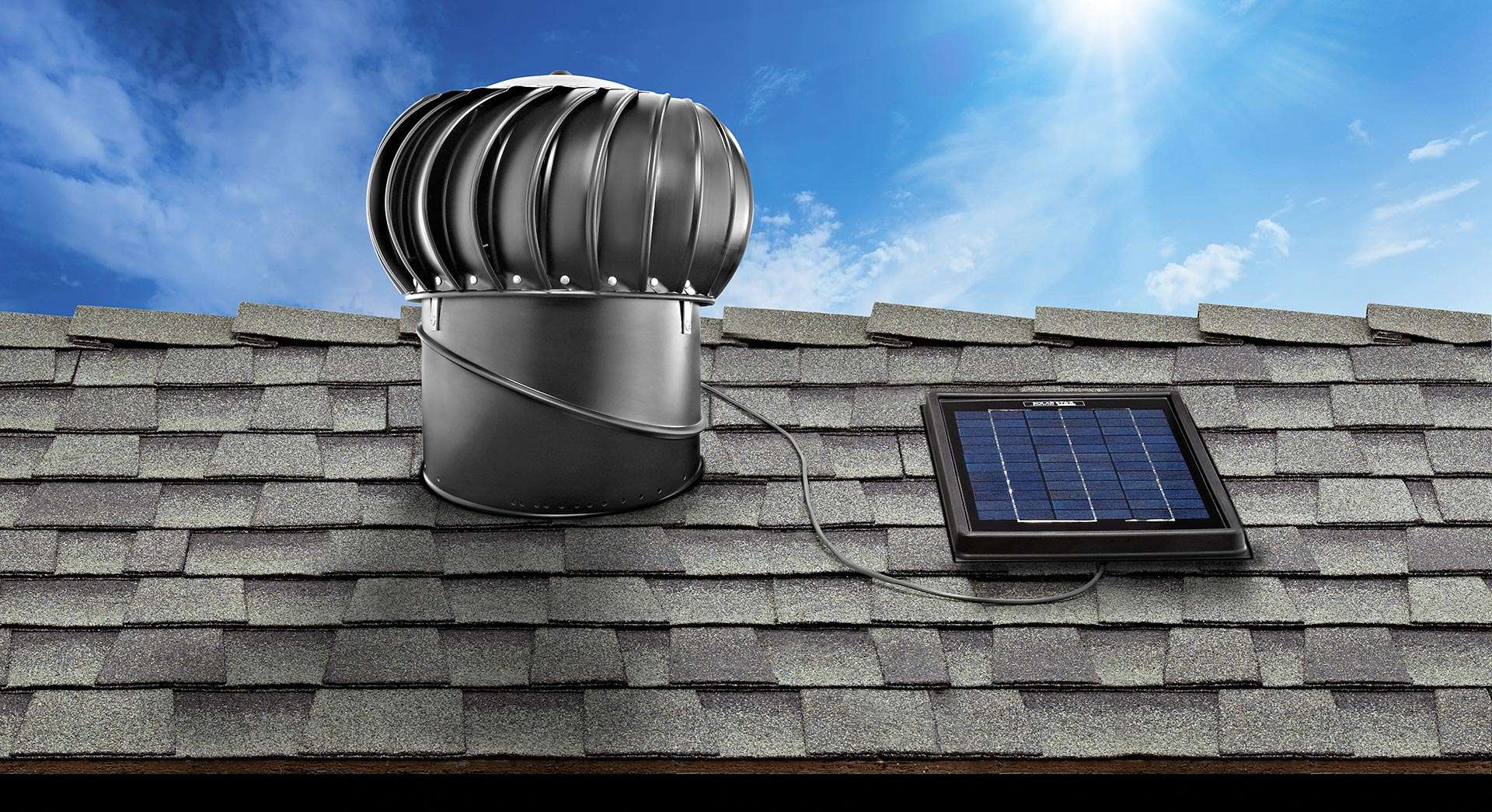

Are you looking for a way to improve the air quality and overall health of your family? Look no further, because a balanced ventilation system may be the solution you’ve been searching for. Not only does a ventilation system circulate fresh air throughout your home, but it also removes harmful pollutants, allergens, and excess moisture. By properly filtering and exchanging the air, a ventilation system can greatly reduce the risk of respiratory issues, allergies, and even mold growth.
Enhancing Indoor Air Quality
When it comes to the air we breathe, quality matters. Poor indoor air quality can lead to a range of health issues, from allergies and asthma to respiratory infections. That’s where a ventilation system comes in. By enhancing indoor air quality, these systems ensure that you and your family or colleagues can breathe easy and stay healthy.
A ventilation system works by exchanging stale indoor air with fresh outdoor air. It removes pollutants, allergens, and odors, creating a healthier living or working environment. This is especially important in spaces that are poorly ventilated or have limited access to fresh air.
With a ventilation system, you can say goodbye to musty odors, mold, and mildew that thrive in damp and stagnant environments. Instead, you’ll enjoy clean, fresh air that invigorates and revitalizes. Not only will this improve your respiratory health, but it can also boost your overall well-being and productivity.
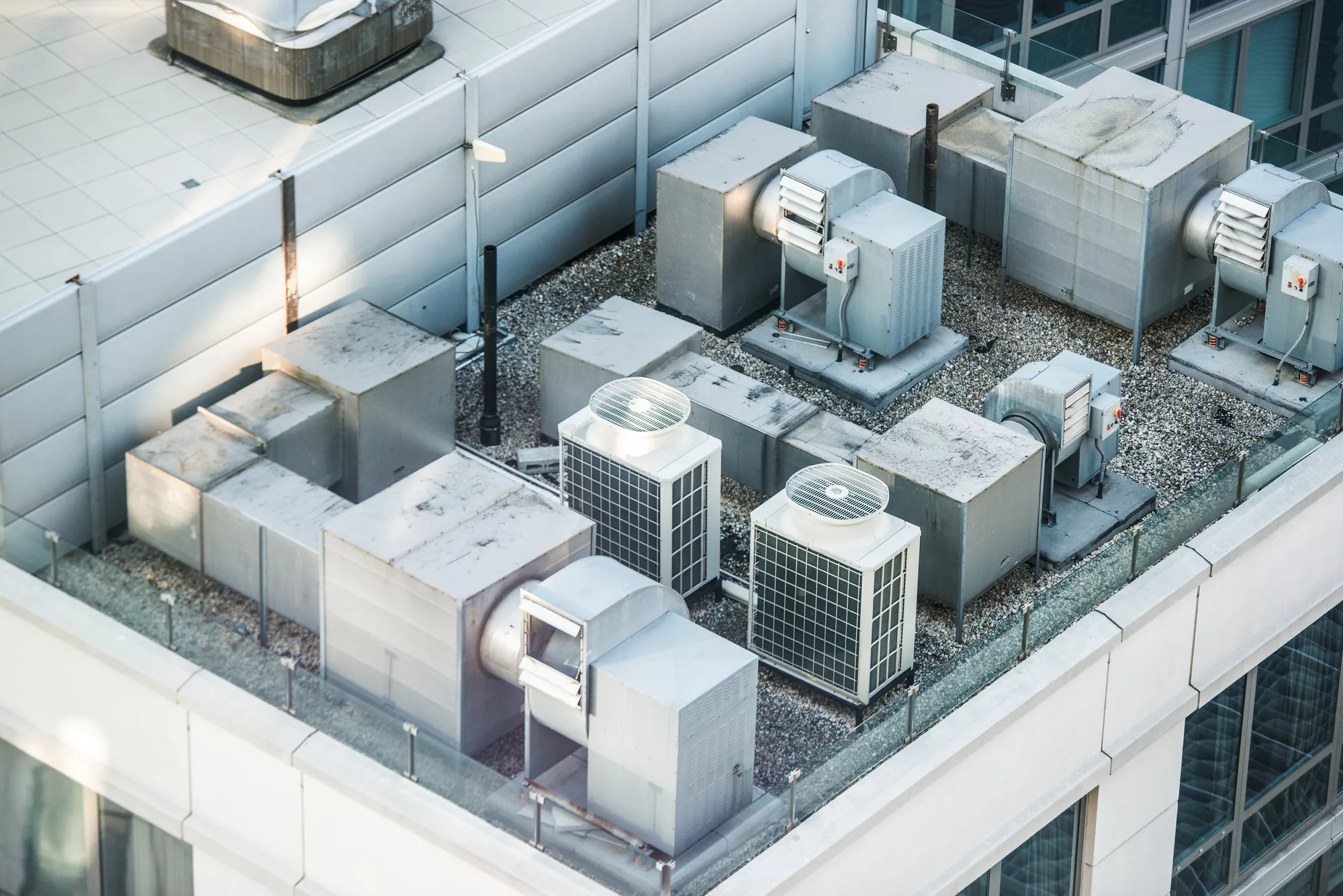 Improving Health and Productivity
When it comes to improving health and productivity, a ventilation system can work wonders. By providing clean, fresh air, these systems can have a significant impact on your overall well-being. One of the key benefits of using a ventilation system is the reduction in airborne pollutants.
Indoor air can often be more polluted than outdoor air due to various factors like dust, chemicals, and volatile organic compounds (VOCs) emitted by furniture, carpets, and cleaning products. Breathing in these pollutants can lead to respiratory issues, allergies, and even long-term health problems.
With a ventilation system in place, these pollutants are effectively filtered out, allowing you to breathe in clean and healthy air. This not only improves your respiratory health but can also boost your immune system and overall productivity. Research has shown that clean air can enhance cognitive function, concentration, and focus, leading to increased productivity and better performance in both work and academic settings.
Additionally, a well-ventilated space helps to maintain optimal temperature and humidity levels, which are crucial for comfort and well-being. When the air is too hot or too humid, it can cause discomfort and fatigue, making it difficult to concentrate and be productive. By regulating the temperature and humidity, a ventilation system ensures a comfortable and conducive environment for work or study.
A fresh air heater Help Save on Energy Costs
While the primary goal of a ventilation system is to provide clean and fresh air, it also has the added benefit of helping to save on energy costs. How? Well, many ventilation systems come equipped with a fresh air heater. This feature allows the system to preheat the incoming outdoor air before it enters your space, reducing the load on your primary heating system.
By using an air heater, you can take advantage of the natural warmth of the outside air, especially during the colder months. This means that your heating system won’t have to work as hard to reach and maintain the desired temperature, resulting in significant energy savings. Not only does this reduce your environmental impact, but it also lowers your utility bills, allowing you to save money in the long run.
In addition to the energy savings, an air heater can also help maintain a more consistent and comfortable temperature throughout your space. No more dealing with cold drafts or overheated rooms. With a properly designed ventilation system, you can achieve the perfect balance of fresh air and warmth, enhancing your overall comfort while reducing energy consumption.
Maximizing Comfort with Heat Reclaim Ventilation
If you’re looking to maximize comfort in your space, heat reclaim ventilation is a game-changer. This innovative technology not only provides clean and fresh air but also recycles and repurposes heat that would otherwise be wasted. How does it work?
Heat ventilation systems capture the heat from outgoing stale air and use it to warm up the incoming fresh air. This means that you not only get a constant supply of clean air but also enjoy a comfortable and cozy indoor environment. No more feeling chilly or needing to crank up the heat to stay warm.
By maximizing comfort with heat ventilation, you can create a space that is not only healthier but also more enjoyable to be in. Say goodbye to drafts and cold spots, and hello to consistent and pleasant temperatures. Plus, with the added bonus of energy efficiency, you can keep your space comfortable without breaking the bank.
Heat ventilation systems are not only beneficial for your comfort but also for your wallet. By reusing the heat that would have been wasted, these systems help reduce your energy consumption and lower your heating bills. This sustainable solution is a win-win for both your comfort and your finances.
The Impact of Ventilation Systems on Home Comfort
When it comes to home comfort, a ventilation system can make a world of difference. Not only does it provide clean and fresh air, but it also creates an environment that is comfortable and inviting.
With a ventilation system in place, you can say goodbye to stuffy and stagnant air that often leads to discomfort. The constant circulation of fresh air ensures that your space feels light and airy, creating a more pleasant and inviting atmosphere. No more dealing with odors, mold, or mildew that thrive in damp environments. Instead, you’ll enjoy a home that smells clean and feels welcoming.
Additionally, a well-ventilated space helps to maintain optimal temperature and humidity levels. This means no more sweating in the summer or freezing in the winter. A ventilation system regulates the temperature and humidity, creating a comfortable and enjoyable environment year-round.
In addition to improved comfort, a well-ventilated home also promotes better air quality. Ventilation systems help remove pollutants and allergens, such as dust, pet dander, and pollen, from the air. This is especially beneficial for individuals with respiratory conditions or allergies, as it can alleviate symptoms and improve overall health.
Enhancing Home Safety with Residential Roof Ventilation Systems
When it comes to home safety, it’s important to consider the role that residential roof ventilation systems play. These systems are designed to provide proper ventilation and air circulation in your attic, which can have a significant impact on the overall safety of your home.
One of the key benefits of residential ventilation systems is the prevention of moisture buildup. Excess moisture in your attic can lead to the growth of mold and mildew, which can not only damage the structure of your home but also pose health risks to you and your family. By installing a ventilation system, you can ensure that any moisture is properly ventilated and removed, reducing the risk of mold and protecting the integrity of your home.
In addition, roof ventilation systems help regulate temperature extremes in your attic. During the summer months, heat can build up in your attic, causing your cooling system to work harder and potentially leading to higher energy costs. By having a ventilation system in place, hot air can be properly exhausted, keeping your attic cooler and reducing the strain on your cooling system.
Furthermore, a well-ventilated attic can help prevent the buildup of harmful gases, such as carbon monoxide. These gases can be produced by appliances or equipment located in your attic, such as furnaces or water heaters. A ventilation system ensures that any potentially harmful gases are properly expelled, reducing the risk of carbon monoxide poisoning.
FAQS
How Often Should I Clean Or Replace The Filters In My Ventilation System?
It is recommended to clean or replace the filters in your ventilation system every 1-3 months, depending on usage and the type of filters you have. Regular maintenance of the filters helps to ensure optimal performance and prevent the buildup of dirt, dust, and allergens.
Can I Install A Balanced Ventilation System In My Existing Home Or Office?
Yes, ventilation systems can be installed in both new and existing spaces. There are various types of ventilation systems available, including whole-house systems, room-by-room systems, and spot ventilation systems. A professional HVAC technician can assess your space and recommend the best system for your needs.
Will A Ventilation System Increase My Energy Bills?
While a ventilation system does use energy to operate, it can actually help reduce energy bills in the long run. By improving indoor air quality, a ventilation system allows you to rely less on other air-cleaning devices and reduces the need for excessive heating or cooling. Additionally, some ventilation systems come with energy-saving features, such as heat reclaim, which can further reduce energy consumption.
Conclusion
Incorporating a Balanced Ventilation System into your home or office is a decision that brings a multitude of benefits. From enhancing indoor air quality and improving health and productivity to saving on energy costs and maximizing comfort, a ventilation system is a game-changer. You’ll say goodbye to stale air, odors, and pollutants, and hello to clean, fresh air that invigorates and revitalizes.