

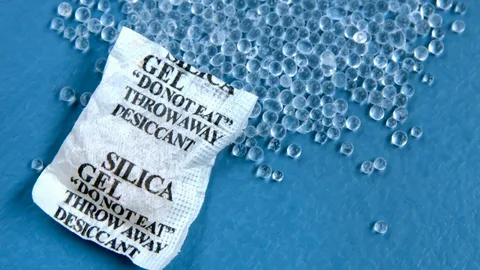

Silica-Gel desiccant – those tiny, translucent beads found in shoe boxes, vitamin bottles, and electronics packaging. While they may look like harmless little pearls, how we dispose of them can significantly impact our environment. Join us as we unravel the secrets of safely and environmentally disposing of Silica Gel Desiccant. Let’s dive into this often-overlooked aspect of household waste management and discover how to give these unassuming beads a proper farewell!
What is Silica-Gel Desiccant, and why is it Used?
Silica-Gel desiccant is a highly porous, granular form of silicon dioxide that resembles tiny beads or crystals. Its primary purpose is to absorb and hold moisture, making it an effective drying agent. You’ll commonly find Silica-Gel packets in various products to prevent excess humidity and protect against mould, mildew, and corrosion.
This versatile substance finds its way into packaging for electronics, medications, leather goods, and even food items where moisture control is crucial. By maintaining a dry environment around sensitive products, Silica-Gel is vital in preserving their quality and shelf life.
Unlike other drying agents that may be messy or leave residues behind, Silica-Gel desiccants are clean and non-toxic. Their ability to adsorb water molecules without undergoing any chemical changes makes them ideal for safeguarding a wide range of items from unwanted moisture damage.
The Dangers of Improper Disposal
Improper disposal of Silica-Gel desiccant can pose risks to human health and the environment. When not disposed of correctly, Silica-Gel can contaminate soil and water sources, potentially harming wildlife and aquatic ecosystems.
One common danger of improper disposal is that children or pets may mistake Silica-Gel packets for food or toys, resulting in choking hazards or poisoning if ingested. Additionally, if thrown into regular household trash without proper precautions, packet leakage is risky, which could lead to accidental exposure.
Silica-Gel is non-toxic; however, some varieties may contain indicators such as cobalt chloride, which can be harmful if released into the environment. This chemical compound threatens aquatic life and groundwater quality if not handled appropriately during disposal. By taking the necessary steps to dispose of these materials correctly, we can help protect our surroundings and reduce potential risks associated with improper handling.
Environmentally-Friendly Ways to Dispose of Silica-Gel Desiccant
When it comes to disposing of Silica-Gel desiccant in an environmentally friendly manner, several options can help reduce waste and protect the environment. One effective way is to recycle the Silica-Gel packets by repurposing them for moisture absorption in various areas around your home.
Another eco-friendly approach is to utilize the Silica-Gel beads as a drying agent for flowers or herbs, extending their lifespan and reducing the need for chemical preservatives. Additionally, consider donating unused Silica-Gel packets to local organizations or schools that could benefit from their moisture-absorbing properties.
For those looking to minimize waste, composting Silica-Gel desiccants made from organic materials provides a sustainable disposal method while enriching soil health. Furthermore, researching community recycling programs or drop-off locations can offer alternative avenues for safely discarding Silica-Gel products without harming the environment.
Reusing Silica-Gel Desiccant
Reusing Silica-Gel desiccants can be an innovative and eco-friendly choice. Consider giving them a second life instead of tossing these little packets in the trash after their initial use.
One way to reuse Silica-Gel desiccants is by drying them out. Place the used packets on a baking sheet and pop them into the oven at a low temperature for a few hours. This process helps remove any moisture they’ve absorbed, restoring their effectiveness. Another option is to use Silica-Gel desiccants on various household items. Tossing them into gym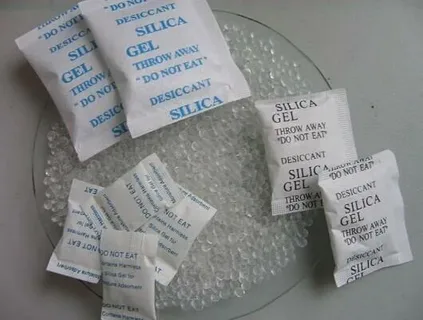 bags, shoe cabinets, or storage containers can help prevent musty odours and mould growth by absorbing excess moisture.
Get creative with repurposing Silica-Gel desiccants! From preserving photos to protecting electronics during storage, these handy packets have multiple uses beyond keeping goods dry. By reusing Silica-Gel desiccants whenever possible, you save money by reducing waste and promoting sustainability in your daily routine.
Alternative Options for Moisture Absorption
Looking for alternatives to Silica-Gel desiccants for moisture absorption? Here are five innovative options to consider:
Activated Charcoal
Known for its excellent absorption properties, activated charcoal is a natural and environmentally friendly alternative that can effectively absorb moisture in various settings.
Bamboo Charcoal Bags
These eco-friendly bags contain bamboo charcoal, which not only absorbs excess moisture but also helps eliminate odours, making them a dual-purpose solution.
Silica-Gel Packets Rejuvenation
Instead of disposing of used Silica-Gel packets, consider rejuvenating them by drying them out in the sun or oven for reuse.
Diatomaceous Earth
This natural sedimentary rock can be a non-toxic alternative for absorbing moisture in different applications.
Calcium Chloride Crystals
Calcium chloride crystals are another practical option for moisture absorption. They are commonly used in dehumidifiers and can be utilized as an alternative to Silica-Gel desiccants.
Proper Disposal Methods for Different Types of Silica-Gel Desiccant
When disposing of different types of Silica-Gel desiccant, it’s essential to understand the specific characteristics of each variety. White Silica-Gel is non-toxic and can typically be disposed of in regular household waste without posing any environmental risks. On the other hand, blue-indicating Silica-Gel may contain cobalt chloride, a hazardous substance that requires proper handling.
Blue Silica-Gel containing cobalt chloride must be treated as hazardous waste and disposed of according to local regulations. Contact your local waste management facility for guidance on safe disposal methods. Alternatively, consider contacting specialized companies that deal with hazardous materials for assistance in adequately discarding this type of Silica-Gel desiccant.
Before throwing away any Silica-Gel desiccant, always check the packaging or manufacturer’s instructions for specific disposal guidelines. By following these recommendations, you can ensure a clean environment and maintain safety standards for yourself and those around you.
Regulations and Guidelines: Complying with Local Disposal Laws
Silica-Gel desiccants are commonly used in various industries and households to absorb moisture. However, when disposing of Silica-Gel, it’s essential to follow local disposal laws and regulations. Different regions may have specific guidelines on how to safely dispose of Silica-Gel products.
To ensure compliance with local laws, start by researching the regulations in your area regarding hazardous waste disposal. Some locations may require you to dispose of Silica-Gel desiccants at designated facilities or through specialized waste management services.
Proper handling of Silica-Gel is crucial, as improper disposal can harm the environment and human health. Adhering to local disposal laws protects the ecosystem and prevents potential contamination from hazardous substances like Silica-Gel desiccants.
Identifying Hazardous Components: What to Look Out For
Silica-Gel desiccants are generally safe to use, but it’s essential to be aware of potentially hazardous components that may be present in certain types.
Cobalt (II) Chloride
When identifying hazardous components in Silica-Gel desiccants, watch for indicators like cobalt (II) chloride, a harmful substance used as a colour indicator. Cobalt (II) chloride can pose health risks if ingested or inhaled.
Methyl Violet
Another hazardous component to look out for is methyl violet, sometimes added as a dye. If exposed for prolonged periods, methyl violet can cause skin irritation and respiratory issues. Be cautious when handling Silica-Gel packets with unknown additives.
Crystalline Quartz Particles
Some Silica-Gel desiccants also contain crystalline quartz particles that can be dangerous if inhaled. These particles may lead to respiratory problems and lung damage over time. Always check the label or manufacturer information for any mention of crystalline quartz content.
Moisture Contamination and Mold Growth
Beware of Silica-Gel products contaminated with moisture over time, as mould growth could occur within the packet. Mold exposure can trigger allergic reactions or respiratory complications in sensitive individuals.
Signs of Degradation
Watch out for any signs of degradation, such as discolouration or unusual odours emanating from the Silica-Gel packet. Degraded Silica-Gel may not function effectively and could release toxic fumes if damaged or mishandled. Stay vigilant when inspecting your Silica-Gel desiccants for these hazardous components to ensure safe usage and disposal practices.
Household Disposal Methods of Silica Gel: Practical Steps for Safe Disposal
Following a few practical steps, you can safely and responsibly dispose of Silica Gel in your household. Start by checking the type of Silica-Gel you have—is it indicating or non-indicating? Indicating Silica-Gel changes colour when saturated, making it easier to know when it needs disposal.
To dispose of indicating Silica-Gel, remove it from its container and place it in a sealed plastic bag. For non-indicating Silica-Gel, you can seal it directly in a bag or container. Remember to label the bag/container as “Silica-Gel—Do Not Eat” to avoid confusion.
Once properly packaged, small amounts of Silica-Gel can be thrown away with your regular household waste. Larger quantities may need special disposal methods, like taking them to a hazardous waste facility or recycling centre. By following these simple steps, you can ensure the safe disposal of Silica-Gel desiccant at home.
Raising Awareness: Educating Others on Safe Disposal Practices
Educating others on safe disposal practices for Silica-Gel desiccants is crucial in promoting environmental responsibility. Many people are unaware of the potential harm improper disposal can cause the ecosystem. By spreading awareness, we can empower individuals to make informed choices about handling Silica-Gel.
Sharing information through social media platforms, community workshops, or educational campaigns can help reach a wider audience and encourage positive behaviour change. Highlighting the impact of careless disposal methods and providing simple tips for proper disposal can significantly reduce environmental pollution. Engaging with schools, businesses, and local organizations to incorporate safe disposal practices into their routines can create a ripple effect within communities.
Together, we can create a cleaner and safer environment by raising awareness about the significance of responsible waste management. Let’s join forces to protect our planet for future generations through education and advocacy initiatives that promote eco-friendly practices. By fostering a culture of mindfulness around waste disposal, we empower others to safeguard our environment from harmful pollutants proactively.
Conclusion
As we wrap up our discussion on how to dispose of Silica Gel Desiccant safely and responsibly, we must remember the importance of environmental consciousness in our daily practices. By adopting eco-friendly disposal methods, we protect the planet and safeguard ourselves from potential hazards. Through proper handling and disposal of Silica-Gel desiccant, we contribute to a cleaner and healthier environment for future generations. Each small step towards sustainable waste management can significantly reduce pollution and preserve natural resources. Educating ourselves and others on safe disposal practices creates a ripple effect that promotes awareness and responsible behaviour.
FAQs
1. Can Silica-Gel desiccants be recycled?
Yes, Silica-Gel desiccants can be recycled using proper methods to remove moisture and contaminants before reuse.
2. Is it safe to dispose of Silica-Gel desiccants in regular household waste?
While small amounts of Silica-Gel can typically be disposed of in the regular trash, guidelines for larger quantities or those containing hazardous materials must be followed.
3. Are there any health risks associated with improper disposal of Silica Gel?
Improper disposal of Silica Gel may pose risks if they come into contact with skin or eyes or are ingested. It is essential to handle and dispose of them carefully.
4. Can I compost used Silica-Gel packets?
Silica-Gel packets should not be composted as they do not biodegrade and may contain chemicals that could harm plants or animals in a composting environment.
5. How can I educate others about the importance of proper disposal methods for silica-gel desiccant?
By sharing information on safe disposal practices through social media, community events, or educational campaigns, you can help raise awareness about the environmental impact of incorrect disposal methods for these standard products.
| Other Good Articles to Read |
| Blogs-Nation |
| Blogs-Peoples |
| Bryan Smith Blogs |
| intellect blogs |
| the fault in our blogs |
| oz forums |
| recruitment blogs |
| zet blogs |
| id blogs |
| Blog Studio legale |
| blogs map |
| Related Business Listings |
| Contact Directory |
| Local Business Profiles |