



Nitrile-disposable gloves have become essential in various industries due to their durability, flexibility, and chemical resistance. In this comprehensive analysis, they will delve into the composition, benefits, environmental impact, and guidelines for proper usage of Nitrile Disposable Gloves.
Understanding the Composition of Nitrile Gloves
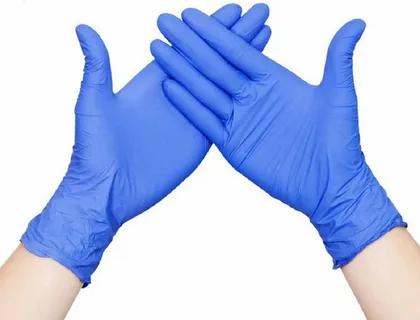
Nitrile gloves are made from a synthetic rubber called acrylonitrile-butadiene rubber, a copolymer made from the acrylonitrile and butadiene monomers. This material is known for its exceptional resistance to oils, fuels, and certain organic solvents. Unlike latex gloves, these gloves do not contain latex proteins, eliminating the risk of latex allergy reactions. The manufacturing process of nitrile gloves gives them notable characteristics, such as puncture resistance and maintaining integrity in a wide range of temperatures. Their robust nature makes them suitable for various tasks requiring high levels of precision and protection.
 The Rise in Popularity of Nitrile Gloves
The surge in demand for nitrile gloves in recent years can be attributed to their superior qualities, which make them highly sought after in various sectors, including healthcare, food service, and automotive industries. Recognised for their exceptional resistance to chemicals, viruses, and bacteria, these gloves have become a pivotal protective tool. Their popularity is further bolstered by their versatility and the increased awareness of safety and hygiene practices, particularly in light of global health concerns.
Additionally, nitrile gloves cater to a wider audience by being a suitable option for individuals with latex allergies, thus broadening their appeal and utility across different professional and personal environments. This has significantly contributed to their widespread adoption and the noticeable increase in their usage worldwide.
Nitrile Gloves in the Healthcare Industry
Within the healthcare sector, nitrile gloves serve as a crucial barrier against the transmission of infections and provide essential protection in environments where exposure to bloodborne pathogens and hazardous chemicals is common. The material’s robust nature ensures a higher resistance to punctures than other glove types, an attribute particularly valued in surgical settings and when handling sharp instruments.
Additionally, their chemical resilience is advantageous during the administration of chemotherapy drugs or when disinfecting surfaces, offering healthcare workers reliable hand protection. The absence of latex proteins in nitrile gloves reduces the risk of allergic reactions among healthcare professionals and patients, further solidifying their status as a key component of personal protective equipment in medical practices, hospitals, and laboratories.
The Use of Nitrile Gloves Beyond Healthcare
Explore the versatile use of nitrile gloves beyond healthcare settings. Learn about their applications in food handling, automotive, cleaning services, and more industries, highlighting durability, chemical resistance, and tactile sensitivity benefits.
Food Processing and Service
In the food industry, nitrile gloves are valued for their resistance to oils and certain chemicals. This makes them ideal for handling both raw and prepared food items. They ensure food safety by preventing cross-contamination between different food types and minimising the transfer of pathogens.
Automotive and Manufacturing
Nitrile gloves are durable and resistant to oils, greases, and some solvents, which benefits workers in automotive and manufacturing settings. This protection is essential when handling parts and chemicals, performing maintenance, and safeguarding workers’ hands from irritants and injuries.
Beauty and Hair Salons
Nitrile gloves are used in beauty and hair salons to protect professionals from chemicals in dyes, bleaches, and other styling products. Their chemical resistance is crucial for maintaining hygiene and safety during client treatments.
Cleaning and Janitorial
Nitrile gloves protect janitorial staff against cleaning agents, detergents, and biohazardous materials. Their puncture resistance ensures workers’ protection when handling waste and sharp objects.
Tattoo Artists
Tattoo artists prefer nitrile gloves due to their puncture resistance and ability to grip tattooing equipment well, which is vital for precision work. The gloves also reduce the risk of cross-contamination, maintaining a sterile environment for the artist and the client.
Addressing the Allergenic Concerns
A significant advantage of nitrile gloves is their non-latex composition, positioning them as an ideal selection for those prone to latex sensitivities. This characteristic ensures broader accessibility, enabling more individuals to utilise these protective barriers without the risk of allergic reactions.
Given the increasing concerns about allergens in various environments, adopting nitrile gloves offers an effective solution to maintain high hygiene and safety standards whilst accommodating the needs of individuals with specific allergies. This inclusivity underscores the gloves’ utility across diverse settings, further enhancing their appeal in sectors where protective gear is indispensable.
The Environmental Impact of Nitrile Gloves
The environmental footprint of nitrile gloves is a topic of growing concern. These gloves are synthetic products that do not biodegrade, contributing to landfill waste. Their production also demands significant energy and resources, including fossil fuels, which can hurt the environment. Efforts are underway within the industry to mitigate these impacts, focusing on recycling programmes and developing more eco-friendly materials.
Despite the challenges, the balance between the protective benefits of nitrile gloves and their environmental consequences is a subject of ongoing debate. Understanding the full scope of their ecological implications is crucial for fostering sustainable practices within sectors that rely heavily on these disposable gloves.
The Benefits of Using Nitrile Gloves Disposable
Discover the advantages of using disposable nitrile gloves. Learn about their durability, chemical resistance, tactile sensitivity, and suitability for various industries such as healthcare, food processing, automotive, and more.
Enhanced Chemical Resistance
Nitrile gloves provide superior protection against various chemicals, making them ideal for use in environments where exposure to hazardous substances is common. Their resilience to oils, fuels, and solvents is unmatched by latex or vinyl alternatives.
Durability and Puncture Resistance
These gloves exhibit remarkable durability and are highly resistant to punctures, tears, and rips. This characteristic ensures longevity in demanding tasks, reducing the frequency of glove replacement.
Suitable for Sensitive Skin
Nitrile Gloves Disposable are free from latex proteins, which are known to cause allergic reactions in some individuals. This makes them an excellent choice for people with latex sensitivities, ensuring safe and comfortable use without compromising protection.
Versatility Across Industries
Nitrile gloves’ protective qualities make them suitable for a broad range of professional and industrial applications, from healthcare to automotive maintenance, providing consistent safety and performance.
Improved Grip in Wet and Dry Conditions
Many nitrile gloves feature textured surfaces designed to enhance grip. This is particularly beneficial in clinical and laboratory settings where precision and slip resistance are critical in wet conditions.
Innovations in Nitrile Glove Technology
In personal protective equipment, technological advancements have significantly enhanced nitrile gloves’ efficacy and user experience. Innovations have led to the development of ultra-thin yet highly durable materials, offering users an improved tactile sensitivity without compromising protection. Additionally, progress in production techniques has resulted in more environmentally sustainable options, with certain products being designed for easier degradation or recycling.
Further advancements include the introduction of antimicrobial coatings that inhibit the growth of bacteria on the glove surface, thereby adding an extra layer of safety. Innovations also extend to ergonomic design improvements, making gloves more comfortable for prolonged wear and reducing hand fatigue. These technological strides not only elevate the protective features of nitrile gloves but also address a broader range of user needs and environmental considerations.
Guidelines for Proper Usage of Disposable Gloves Nitrile
To ensure the efficacy and safety of nitrile gloves, users should adhere to specific guidelines. Before donning, ensure hands are clean and dry to prevent bacterial growth. Check each glove for any punctures or tears; compromised gloves provide inadequate protection. When wearing gloves, avoid direct contact with sharp objects that could puncture them.
After use, remove gloves carefully to prevent contaminating your skin – pinch one glove at the wrist and pull it off without touching the exterior, then hold it with your gloved hand, and slide fingers under the wrist of the second glove to peel it off over the first, encapsulating both gloves. Dispose of used gloves immediately in an appropriate waste container and wash your hands post-removal. Following these practices maximises the protective benefits of Disposable Gloves Nitrile while minimising the risk of cross-contamination or personal exposure to hazardous materials.
Understanding Glove Grades and Standards
In the landscape of protective equipment, categorising nitrile gloves into various grades is a key factor in determining their suitability for different applications. These grades, which are standards set by industry regulators, define the gloves’ durability, puncture resistance, and level of protection against chemicals and biohazards. Medical-grade gloves, for instance, undergo rigorous testing to meet stringent safety requirements, ensuring they are fit for use in healthcare settings.
In contrast, industrial-grade gloves are tailored to offer resilience in environments exposed to chemicals and physical hazards. Recognising and adhering to these grades and standards are imperative for institutions and individuals to select the appropriate nitrile gloves that align with the specific demands of their operational contexts, thereby ensuring optimal protection and performance.
Sizing and Fit: Choosing the Right Nitrile Gloves
Selecting an appropriate size for nitrile gloves is paramount for ensuring both comfort and functionality. Gloves that are too tight may compromise blood circulation or tear easily, reducing their protective capability. Conversely, overly large gloves can impair dexterity and grip, potentially leading to accidents in sensitive environments.
Users need to measure their hand size according to established guidelines, typically involving the width of the hand, to find a glove that offers a snug yet comfortable fit. This precise fit is crucial for comfort during prolonged use and for maintaining the tactile sensitivity required for specific tasks. As such, attention to sizing and fit plays a critical role in optimising nitrile gloves’ protective efficiency and utility in various professional settings.
Colour Coding and Its Significance
In various professional settings, implementing colour coding for nitrile gloves serves a practical purpose beyond mere aesthetics. This strategy is particularly useful in environments where gloves of different sizes, grades, or intended applications are utilised concurrently. By assigning distinct colours to each category, organisations can streamline the selection process, reduce the risk of cross-contamination by ensuring the correct glove type is used for specific tasks, and enhance overall efficiency.
This visual differentiation aids in quick identification, supporting adherence to safety protocols and simplifying inventory management. Such an approach underscores the importance of systematic practices in maintaining high hygiene and safety standards across diverse operational contexts.
Cost Analysis of Nitrile-Disposable Gloves
When conducting a cost analysis of nitrile-disposable gloves, it’s pertinent to consider both the initial purchase price and the long-term financial implications. Despite their higher price point compared to alternatives such as latex or vinyl gloves, nitrile gloves’ enhanced durability and chemical resistance often translate into a decrease in the replacement frequency.
This durability ensures that fewer gloves are needed over time, which can mitigate the initial cost difference. Additionally, reducing allergic reactions associated with nitrile gloves may lead to lower indirect costs related to healthcare and worker downtime. Organisations must weigh these factors, alongside the specific requirements of their operations, to evaluate the true cost-effectiveness of integrating nitrile gloves into their safety protocols.
Conclusion
Nitrile disposable gloves emerge as a multifaceted solution, catering to various industries owing to their superior qualities such as durability, chemical resistance, and hypoallergenic properties. The intricacies of their composition, alongside a breadth of benefits, underscore their indispensability in maintaining hygiene and safety standards across professional realms. Acknowledging their environmental footprint, ongoing advancements strive to balance protective efficacy with sustainability. Users are encouraged to consider sizing, industry standards, and environmental impact when selecting and applying. Embracing these considerations ensures the judicious utilisation of nitrile gloves, aligning with both protective needs and ethical considerations.
FAQ’S
Can Nitrile Disposable Gloves be reused?
Generally, Nitrile Disposable Gloves are designed for single use to prevent cross-contamination and ensure maximum hygiene. Reusing them might compromise safety standards.
Are all nitrile gloves suitable for medical use?
Not all nitrile gloves are created for medical applications. Medical-grade gloves undergo rigorous testing to meet specific safety standards, whereas industrial-grade gloves are tailored for chemical and puncture resistance in different environments.
Do nitrile gloves offer protection against all chemicals?
While nitrile gloves provide excellent protection against various chemicals, they are not impermeable to all substances. Before use, it’s crucial to consult the glove’s resistance rating against specific chemicals.
How should nitrile gloves be disposed of?
Disposal methods vary by region, but generally, they should be placed in waste containers designated for medical or hazardous materials, adhering to local regulations to minimise environmental impact.
Is there a difference between blue and black Nitrile Gloves Disposable?
The colour of Nitrile Gloves Disposable is often used for colour coding in various settings to prevent cross-contamination; however, the colour itself does not affect the glove’s performance or protective properties.
| Other Good Articles to Read |
| Cme Blog Spot |
| Garcias Blogs |
| Yyc Blogs |
| Guiade Blogs |
| Blogs-Hunt |
| Impact-Blog |
| Smarty Blogs |
| Ed Blog |
| Mo Blogs |
| Blogs Em |
| Blog St |
| Related Business Listings |
| Contact Directory |
| Local Business Profiles |