


Regarding safety and comfort in demanding environments, the right gear can make all the difference. Disposable Heavy Duty Nitrile Gloves have become a staple across various industries, from healthcare to automotive repair. But did you know that choosing the correct size and fit is just as crucial as picking high-quality materials? With so many options available, navigating glove sizes can feel overwhelming. The perfect pair of nitrile gloves protects your hands, enhances skill, and reduces fatigue during long work hours. Let’s dive into why size matters and how to ensure a snug yet comfortable fit for every task, keeping your hands safe while maximizing productivity.
Why Size and Fit Matter for Nitrile Gloves
The size and fit of nitrile gloves play a crucial role in comfort and functionality. Ill-fitting gloves can hinder talent, making performing tasks requiring precision difficult. The right fit ensures better control and grip when working with heavy-duty materials.
Additionally, proper sizing minimizes the risk of accidents. Gloves that are too loose may slip off during use, while overly tight ones could restrict blood flow or cause hand fatigue. Both scenarios can lead to decreased productivity.
Moreover, the effectiveness of protective barriers relies on how well gloves conform to your hands. A snug fit reduces the chances of contaminants entering through gaps, ensuring safety during various applications. The right size is essential for performance and protection in any environment where disposable heavy-duty nitrile gloves are used.
Differences Between Regular and Heavy-Duty Nitrile Gloves
When it comes to disposable nitrile gloves, understanding the difference between regular and heavy-duty options is crucial. Regular nitrile gloves are typically thinner and designed for tasks that require dexterity but minimal protection. They offer comfort and flexibility, which is ideal for light cleaning or food handling.
On the other hand, heavy-duty nitrile gloves are thicker and provide enhanced durability. These gloves can withstand harsher chemicals and rougher environments, making them suitable for industrial applications or medical settings. Their robust construction helps prevent tearing during demanding tasks.
The choice between these two types often depends on your specific needs. If you’re working with hazardous materials or in a high-risk environment, opting for heavy-duty nitrile gloves ensures optimal safety without sacrificing functionality.
How to Measure Your Hand for the Perfect Glove Size
Measuring your hand for the perfect glove size is simple and crucial. Start by gathering a flexible measuring tape or a ruler. With your dominant hand, extend your fingers while keeping them close together. This will help you get an accurate measurement.
Next, measure the circumference of your palm right below the knuckles but above the thumb’s base. Wrap the measuring tape snugly but not too tight to restrict blood flow. Record this number in inches.
For added accuracy, note the length from the tip of your middle finger to where it meets your wrist. Compare these measurements against sizing charts provided by manufacturers for disposable heavy-duty nitrile gloves to find your ideal fit.
Common Sizing Standards for Disposable Gloves
Understanding sizing standards is crucial when selecting disposable heavy-duty nitrile gloves. Most manufacturers use a simple letter system: small (S), medium (M), large (L), and extra-large (XL). Each size corresponds to specific hand measurements.
Typically, a small glove fits hands that measure around 6.5-7 inches in circumference at the palm’s widest point. A medium usually accommodates 7-8 inches, while large gloves suit those with hands measuring 8-9 inches.
For extra-large sizes, expect dimensions of about 9-10 inches. Some brands also offer half-sizes for more precision. Always check individual product specifications since variations exist between manufacturers and styles.
Finding the Right Fit for Different Applications
Choosing the right fit for disposable heavy-duty nitrile gloves is essential based on the application. In healthcare settings, a snug fit allows for precision when handling instruments or performing procedures. Here, talent takes precedence; too loose, and you risk slipping.
For industrial applications, thicker gloves may be preferred to protect against chemicals or abrasions. A looser fit can provide added comfort during extended wear but shouldn’t compromise safety.
In food service, proper size ensures a good grip while preventing contamination. Gloves should feel secure yet comfortable enough for quick movements in busy kitchens. Understanding your needs will guide you in selecting the ideal glove fit that balances protection with functionality.
Benefits of Properly Fitted Nitrile Gloves
Properly fitted nitrile gloves offer enhanced skill, allowing you to perform tasks precisely. This is especially important in healthcare and food service industries, where attention to detail can significantly impact outcomes. A good fit ensures you have the control needed for intricate work.
Comfort plays a crucial role in prolonged use. Ill-fitting gloves can lead to discomfort or fatigue, making it difficult to concentrate on the task. Properly sized gloves help reduce strain during extended wear.
Additionally, wearing the right size minimizes the risk of accidental tears or punctures. When gloves fit well, they provide better protection against chemicals and contaminants without compromising mobility. The result is safer working conditions regardless of your profession.
Risks of Ill-Fitting Gloves in Professional Settings
Wearing ill-fitting disposable heavy-duty nitrile gloves can lead to severe issues in professional settings. If the gloves are too loose, they may slip off during critical tasks, increasing the risk of contamination or injury. A poor fit can also compromise talent, making it challenging to handle tools and materials effectively.
On the other hand, overly tight gloves restrict movement and can cause discomfort. This not only distracts workers but may also lead to fatigue over time. Discomfort can impact focus and productivity on the job.
Moreover, improper fitting increases the likelihood of tears or punctures in the glove material. When this happens, protection against harmful substances is significantly compromised, exposing professionals to potential hazards that could have been avoided with appropriately sized gloves.
Stretch and Durability Factors to Consider
When selecting disposable heavy-duty nitrile gloves, stretch and durability are crucial factors. Nitrile material is known for its excellent elasticity, allowing the glove to conform to your hand without feeling restrictive. This flexibility enhances talent, making it easier to perform intricate tasks.
Durability is another vital consideration. Heavy-duty nitrile gloves are designed to withstand demanding environments while providing a reliable barrier against chemicals and punctures. Their thicker construction typically offers enhanced protection compared to standard options.
It’s essential to find a balance between stretch and sturdiness. A glove that stretches well but lacks durability may tear easily during use, compromising safety. On the other hand, overly stiff gloves can hinder movement and lead to discomfort over time.
Glove Thickness and Its Impact on Fit and Comfort
The thickness of disposable heavy-duty nitrile gloves plays a crucial role in fit and comfort. Thicker gloves often provide better protection, making them ideal for tasks that involve sharp objects or hazardous materials. However, they may feel less flexible than their thinner counterparts.
On the other hand, thinner gloves offer more excellent dexterity and tactile sensitivity. This can be beneficial for intricate work where precision is critical. Finding the right balance between thickness and function is essential based on your needs.
Comfort also varies with glove thickness. Some users may prefer the secure feeling of a thicker glove, while others might opt for the lighter touch of thinner options. Individual preferences will guide you in selecting suitable disposable heavy-duty nitrile gloves for each task.
Choosing Between Powdered and Powder-Free Gloves
When selecting Gloves Nitrile, powdered and powder-free options are essential. Powdered gloves have a light cornstarch coating, making them easier to put on and take off. This can be particularly beneficial when multiple glove changes are necessary throughout the day.
However, some users may find that this powder creates irritation or allergic reactions. Opting for powder-free gloves is often safer for those with sensitive skin or specific health concerns, and they provide a snug fit without any added substances that could cause discomfort.
Consider your application when making this decision. Powdering might seem ideal for medical professionals who require quick changes; however, food handlers should lean towards powder-free to avoid contamination risks while maintaining hygiene standards.
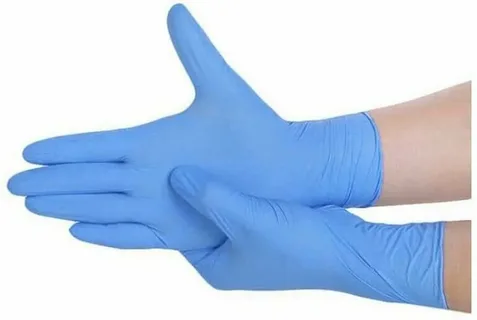 Storing and Maintaining Disposable Gloves Nitrile
Proper storage of Disposable Gloves Nitrile is crucial for maintaining their integrity. Please keep them in a cool, dry place, away from direct sunlight and extreme temperatures. Exposure to heat can degrade the material and compromise its protective qualities.
Avoid storing gloves near harsh chemicals or substances that could cause deterioration. Instead, use sealed containers or original packaging to prevent contamination and maintain hygiene standards.
Before use, regularly check your glove supply for signs of damage or wear. Discard any gloves that appear compromised, even within their expiration date. Proper maintenance ensures you always have reliable protection when you need it most.
Tips for Trying on and Testing Glove Fit
When trying on disposable heavy-duty nitrile gloves, start with a clean and dry pair. Slide your hand gently, ensuring the glove fits snugly but isn’t overly tight. Please consider how it feels around your fingers, wrists, and palms.
Flex your fingers and make a fist to assess mobility. A well-fitting glove should allow full motion range on without any pinching or discomfort. If you notice restrictions, consider sizing up.
Check for proper length; the cuff should cover your wrist comfortably without slipping down. It’s also helpful to wear gloves while performing tasks similar to those you’ll be doing regularly. This will give you an accurate sense of comfort and functionality during use.
Conclusion
Finding the right size and fit for Disposable Heavy Duty Nitrile Gloves is crucial for comfort and safety. When you invest time in selecting the proper gloves, it enhances your overall experience, whether you’re working in a medical setting or tackling household projects. Properly fitted gloves can improve your skills, allowing you to perform tasks precisely. Ill-fitting gloves may hinder movement and create unnecessary frustration during critical moments. Understanding the importance of size and fit elevates your performance while protecting your hands from potential hazards. Prioritize this aspect when choosing nitrile gloves to ensure they meet your needs and expectations.
FAQs
Understanding the correct size and fit is vital for Disposable Heavy-Duty Nitrile gloves. Here are five frequently asked questions that can help clarify common concerns.
What sizes of disposable nitrile gloves come in?
Disposable nitrile gloves typically range from extra-small to extra-large. Sizing may vary slightly by brand, so always refer to the manufacturer’s sizing chart for accuracy.
How do I know if my gloves fit properly?
A well-fitted glove should feel snug but not restrictive. There should be no excess material at the fingertips or wrist while allowing for comfortable movement.
Are powdered or powder-free nitrile gloves better for sensitive skin?
Powder-free gloves are generally recommended for individuals with sensitive skin as they reduce irritation risks associated with powder residue.
Can I reuse Disposable Gloves Nitrile?
While Disposable Gloves Nitrile are designed for single use, some users may wear them multiple times in low-risk environments. However, this practice isn’t advisable in professional settings due to hygiene concerns.
How long can I store disposable nitrile gloves before using them?
Store your Disposable Heavy-Duty Nitrile Gloves in a cool, dry place away from sunlight. When stored correctly, they usually have a shelf life of three to five years.
| Related Business Listings |
| Contact Directory |
| Local Business Profiles |