

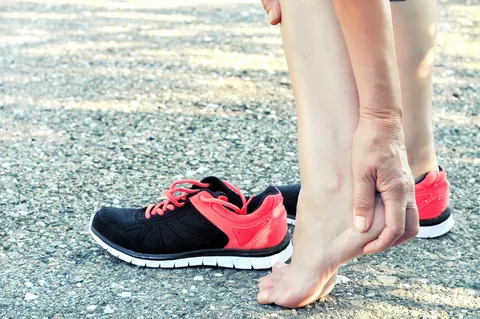

If you suffer from plantar fasciitis, you know how painful and uncomfortable it can be. The right footwear is essential for managing the condition and relieving pain and discomfort. But what should you look for in the best footwear for plantar fasciitis? In this blog post, we’ll discuss what to look for when shopping for shoes designed to provide optimal support for your feet and reduce the symptoms of plantar fasciitis.
The Best Footwear For Plantar Fasciitis Should Have Good Arch Support.
Finding the Best Footwear For Plantar Fasciitis is essential to manage the condition effectively if you are suffering from plantar fasciitis. The shoes you choose should offer excellent arch support, as the arch of your foot plays a vital role in absorbing shock and distributing weight evenly. Without proper support, the plantar fascia, a ligament that runs from your heel to your toes, can become strained, leading to pain and discomfort.
The ideal footwear for plantar fasciitis should have a firm midsole supporting the arch while providing enough flexibility to allow for a natural gait. You can check the arch support of a shoe by looking at its sole; it should be thicker in the midsection and thinner in the toe and heel regions.
Another way to check for arch support is by performing a simple “wet foot test.” Wet your feet and step on a piece of paper or cardboard. If your footprint shows an arch, you have a normal or high arch, and you need a shoe offering excellent arch support.
By selecting footwear with good arch support, you can reduce the strain on your plantar fascia and manage your condition more effectively. Look for shoes that are specifically designed for plantar fasciitis or those that offer excellent arch support and cushioning. This way, you can protect your feet and stay comfortable, even if you spend a lot of time on your feet.
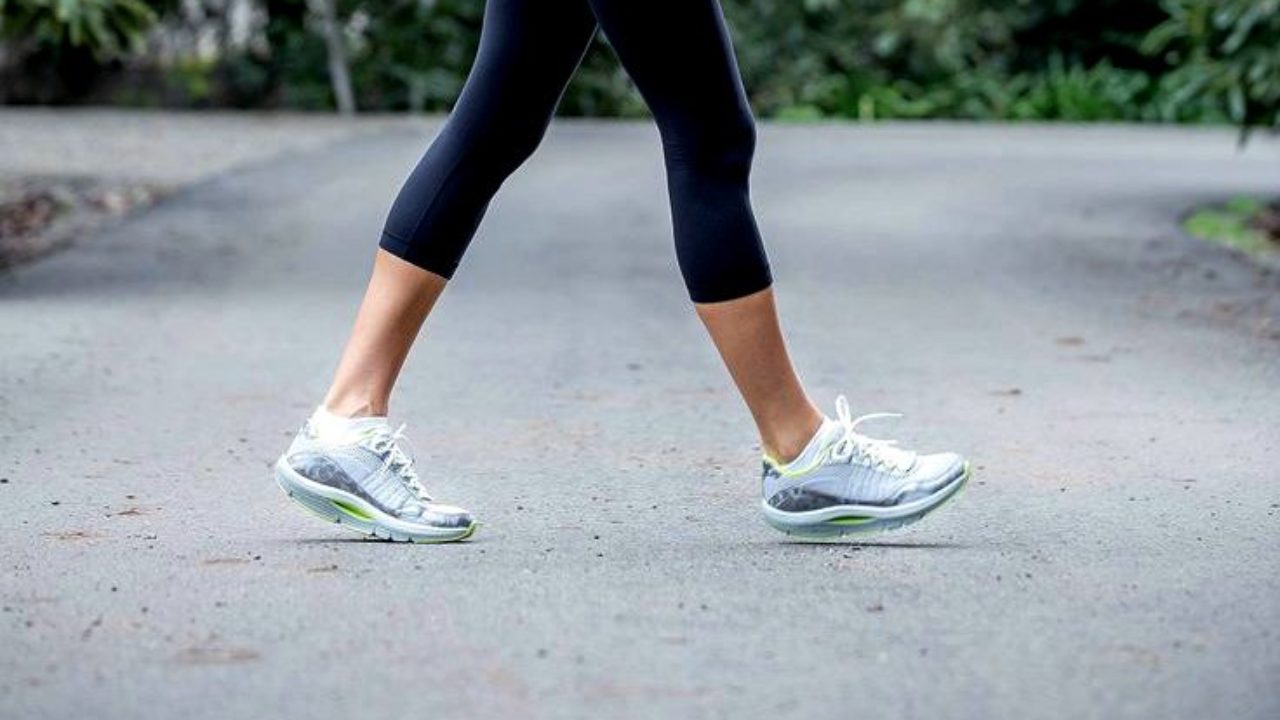 Look for Cushioning in Shoes For Plantar Faciitis
One of the key factors to consider when choosing footwear for plantar fasciitis is cushioning. Shoes with proper cushioning can help absorb the shock that your feet experience while walking or running, thereby reducing the pressure on your heels and plantar fascia.
Look for shoes with a thick midsole and ample padding to provide adequate cushioning to your feet. Soft insoles made from materials like foam or gel can also help distribute the pressure evenly across your foot, thus reducing the risk of plantar fasciitis flare-ups.
However, it’s essential to balance cushioning and stability when choosing shoes for plantar fasciitis. Shoes that are too soft may lack the stability necessary to keep your foot aligned, while shoes that are too hard may cause discomfort and worsen your plantar fasciitis symptoms.
Therefore, trying on different shoes and walking around to test their cushioning and stability before making a purchase is crucial. This way, you can find the right balance of cushioning and support that suits your feet’ needs and helps relieve plantar fasciitis symptoms.
Choose Shoes with Stability
Stability is an essential factor to consider when choosing the best shoes for plantar fasciitis. A stable shoe helps distribute the body’s weight evenly across the foot, preventing excessive pressure on the plantar fascia. It reduces the chances of developing pain, inflammation, and other complications.
When choosing a shoe, check for features such as a firm midsole, which will support the arch of your foot. The shoe should also have a wide base and a firm heel counter to ensure your foot is secure and stable when walking or running.
Shoes with stability are also excellent for individuals who overpronate or underpronate. Overpronation occurs when your foot rolls inward, causing your arch to collapse, leading to a higher risk of plantar fasciitis. Underpronation occurs when your foot rolls outward, which can also cause foot injuries.
Therefore, choose shoes that provide excellent stability, especially if you have any pronation issues. Additionally, ensure the shoe has a rigid outsole, which provides stability and traction when walking or running.
Overall, shoes with stability are crucial for individuals with plantar fasciitis, as they reduce the strain on your foot’s arch, promote proper alignment, and reduce the risk of complications. Make sure to check for stability when choosing your next pair of shoes.
Flexibility
Another essential factor to consider when choosing footwear for plantar fasciitis is flexibility. You want a shoe that will flex with your foot as you walk, allowing your foot to move naturally and reducing the risk of injury. Too rigid shoes can place additional strain on your foot, exacerbating your condition.
One way to test a shoe’s flexibility is to hold it by the heel and try to bend the sole. A shoe that bends easily at the ball of the foot is likely more flexible and suitable for plantar fasciitis.
When considering flexibility, it’s also important to note that not all shoes are designed for the same activity level. If you’re looking for footwear for daily use, a more flexible shoe may be ideal. However, if you’re looking for running shoes, you may need to sacrifice some flexibility for greater support and stability.
The key is finding a shoe that strikes the right balance between flexibility and support for your needs. With the right footwear, you can reduce your plantar fasciitis symptoms and keep moving comfortably throughout the day. In addition, you should consider the materials used in the shoe’s construction. Shoes made from mesh or other lightweight materials are more flexible than those made from heavy, rigid materials.
Remember that the shoe’s flexibility will also affect its durability, so look for shoes that balance these factors. A shoe that is too flexible may wear out quickly and require frequent replacement, while a shoe that is too rigid may be uncomfortable to wear for long periods.
Heel Support will Support your Foot
Regarding plantar fasciitis, the heel is often the main source of pain and discomfort. That’s why it’s crucial to find footwear with excellent heel support. Shoes that feature a heel cup or a deep heel cradle can help keep your foot in place, reducing the amount of strain on your plantar fascia.
Heel support is critical for athletic shoes, as many activities involve jumping, running, or other movements that can put extra stress on your heels. A shoe with a good heel support system will absorb impact and help prevent heel pain.
Some footwear brands offer shoes specifically designed for plantar fasciitis, with enhanced heel support and other features to provide maximum comfort and support. These shoes can be an excellent option for those with chronic plantar fasciitis or those on their feet for extended periods.
In summary, choosing shoes with proper heel support is essential in reducing plantar fasciitis pain and discomfort. By finding the right footwear, you can help support your foot, reduce strain on your plantar fascia, and promote healthy, pain-free feet.
Deep Heel Cup
Another essential feature that you need to look for when shopping for the best shoes for plantar fasciitis is a deep-heel cup. This feature ensures your foot is stable in the shoe, reducing the risk of slips and falls. It also provides extra support to the heel, minimizing the impact of each step you take, which can significantly help alleviate plantar fasciitis symptoms.
A deep heel cup ensures that your feet remain aligned, reducing the risk of overpronation and promoting natural foot movement. A deep heel cup prevents overpronation, where your feet roll inward, placing additional strain on your plantar fascia. This condition is common among people with plantar fasciitis, and it can worsen the symptoms, leading to more pain and discomfort.
When shopping for footwear for plantar fasciitis, ensure that the shoes you choose have a deep heel cup that cradles your heel, providing ample support and reducing strain on the plantar fascia. The combination of arch support, cushioning, stability, flexibility, heel support, and a deep heel cup ensures that your feet remain comfortable, well-supported, and free from pain and discomfort, making it easier to manage plantar fasciitis.
Look for Roomy Toe Box in the Shoes in Best Footwear For Plantar Fasciitis
A roomy toe box is essential when finding the perfect footwear for plantar fasciitis. It is especially true if you suffer from bunions, hammertoes, or any other foot condition that requires extra space in the front of the shoe.
A roomy toe box allows your toes to move freely without being cramped or squeezed together, which can lead to pain and discomfort. It can be beneficial if you spend a lot of time on your feet or are an athlete engaging in high-impact activities.
When shopping for shoes for plantar fasciitis, try them on and walk around to see how they feel. If your toes are squished or cramped, try a larger size or a different style with a wider toe box.
Another thing to look for in a roomy toe box is ample ventilation. Shoes that allow air to circulate around your feet can help prevent excessive sweating and odours, which can be especially problematic for people with plantar fasciitis.
Overall, a roomy toe box is one of the many factors to consider when choosing the best footwear for plantar fasciitis. By finding the right shoe with the proper support and cushioning, you can help reduce pain and discomfort and keep your feet happy and healthy.
Conclusion
Finding the best shoes for plantar fasciitis can be challenging, but investing in comfortable and supportive shoes is essential to avoid worsening your condition.
Related Websites:
Articles on Blogshunt
Articles on Blogseu
Articles on Blogspeoples
Articles on Thebigblogtheory
Articles on Allcityforums