


We all want to feel cozy and comfortable in our own homes. Far Infrared Heater offers the perfect solution to bring warmth and comfort to your home. Far infrared heating is a type of radiant heating that is energy efficient and cost-effective, allowing you to enjoy a comfortable environment without breaking the bank. In this blog post, we will explore the benefits of far infrared heating so that you can decide if it’s the right choice for you.
What is Far Infrared Heater?
Far infrared heating is a unique technology that has been around for decades, but it has only recently gained significant attention for its efficiency and cost-effectiveness. Far infrared heating use electromagnetic radiation to transfer heat directly to people and objects in a room, rather than heating the air around them like traditional heating methods. That makes it a great option for anyone looking for a more efficient and eco-friendly way to heat their home or office space. Infrared heaters are also often praised for their ability to create a cozy, comfortable environment perfect for relaxation or work. So, whether you’re looking to lower your energy bills or enjoy a more comfortable space, a far infrared heater may be the perfect solution.
How Does Infrared Heating Work?
Infrared heating uses electromagnetic radiation to generate heat. The heat produced by infrared heaters is similar to the heat produced by the sun, which is absorbed by objects and surfaces instead of heating the air directly. Infrared heating uses a series of heating elements, which are heated by an electric current. As the heating elements heat up, they emit far infrared waves, penetrating the surrounding environment and transferring energy to any objects in their path.
The heat produced by infrared heating is gentle and comfortable, as it is absorbed directly by the skin and objects in the room. It means that the air in the room does not need to be heated as much, making infrared heating much more energy-efficient than traditional heating methods.
Infrared heating is also ideal for individuals with allergies or respiratory issues, as it does not produce dust or pollutants, making it a healthier option for heating your home. In addition, the lack of circulating air means fewer opportunities for bacteria and viruses to spread throughout the room.
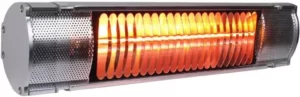 Infrared heating is an effective and efficient way to heat your home. It provides gentle, comfortable warmth and offers a range of health benefits, making it an ideal choice for anyone looking to create a cozy and healthy living space.
The Benefits of Infrared Heating
Far infrared heating is rapidly gaining popularity as an efficient and effective way to heat your home or office. Here are some of the top benefits of infrared heating:
- Energy efficiency: Infrared heaters consume less energy than traditional heating methods, such as gas and oil. They are up to 50% more energy efficient and cost-effective to run.
- Comfortable heat: Unlike traditional heaters that heat the air first, infrared heating emits radiation that directly warms objects and people. This type of heating is similar to the heat of the sun, which creates a comfortable and natural warmth.
- Health benefits: Infrared heating offers several health benefits, including pain relief and improved blood circulation. Infrared radiation also helps kill bacteria and other harmful pathogens, improving indoor air quality.
- Eco-friendliness: Infrared heaters emit zero carbon emissions, making them an eco-friendly heating option. They do not require a chimney or flue and operate silently without producing any noise pollution.
- Cost-effective: Installing an infrared heating system is cheaper and easier than traditional heating systems. They require less maintenance and have a longer lifespan, which makes them a cost-effective long-term investment.
- Versatility: Infrared heaters can be used in various spaces, from residential homes to commercial buildings, garages, and patios. They come in different sizes, designs, and heating capacities, making choosing the best heater for your specific needs easy.
Overall, the benefits of infrared heating make it a smart choice for anyone looking for a more efficient and cost-effective way to heat their home or office. If you are considering making the switch, understand the different types of infrared heaters available and choose one that suits your needs and budget.
How to Choose the Right Infrared Heater?
When choosing the right far infrared heating for your home or office, there are a few key factors to consider. Here are some tips to help you make the best choice for your needs:
- Size: The size of the room you want to heat will play a major role in choosing the right heater. Make sure to measure the square footage of the space to ensure you choose a heater that can handle the job.
- Wattage: Infrared heaters come in different wattages, so be sure to choose a heater with a wattage appropriate for the size of the room. If the wattage is higher, the heater will be effective. If the wattage is too high, it could be a waste of energy.
- Safety features: Look for infrared heaters with safety features such as tip-over and overheat protection. These features will help keep your home or office safe in case of accidents.
- Energy efficiency: Infrared heaters can be more energy-efficient than traditional heating methods, but some models are more efficient. Look for heaters with high Energy Star ratings to save on your energy bill.
- Price: Far infrared heating come in different price ranges. Determine your budget before shopping and compare the prices of different models to find one that fits your needs and budget.
- Considering these factors, you can choose the right far infrared heating for your home or office. Remember always to read product reviews and research the brand before purchasing.
Far Infrared Heating vs. Traditional Heating Methods
Many heating options are available in the market, but it can take time to choose the best one. Traditional heating methods like gas, oil, or electric heating have been the most common choices, but far infrared heating is now gaining popularity. So, how does it compare with traditional heating methods?
Firstly, traditional heating methods operate by warming the surrounding air. It can result in hot and cold spots in the room, making it challenging to maintain a consistent temperature. Far infrared heating, on the other hand, emits heat waves that directly heat the objects in the room, providing a more even and comfortable temperature.
Secondly, traditional heating methods are known to be energy-intensive, leading to higher energy bills. Far infrared heating is efficient as it requires less energy to operate, reducing overall energy costs.
Thirdly, traditional heating methods may cause dry air and allergens, such as dust and mould, to circulate in the room. Infrared heating does not circulate air, so it does not cause dryness or spread allergens, making it ideal for individuals with respiratory problems.
Fourthly, traditional heating methods require frequent maintenance and replacement, increasing expenses. Far infrared heating systems require less maintenance, as there are no moving parts, and they can last for up to 20 years, reducing the overall cost of ownership.
Installation and Maintenance of Far Infrared Heating
Far infrared heating systems are known for their ease of installation and low maintenance requirements. However, like any other heating system, they require attention and care to ensure they perform optimally and last long. This section will review what you need to know about installing and maintaining a far infrared heating system.
The first step to successfully installing a far infrared heating system is choosing the right type of heater for your space. Different heaters are designed for different types of spaces and have different heating capacities, so it’s important to research and consult a professional before making a purchase.
Once you have the right heater, installation is relatively easy. Most heaters come with detailed instructions for installation, and you can also hire a professional to do the installation for you. Far infrared heating can be installed on walls or ceilings using brackets; some can even be freestanding or portable.
Far infrared heating systems are low maintenance compared to other heating systems but require regular attention to keep them in good condition. Here are a few tips to keep your far infrared heating system running smoothly:
- Clean the heater regularly: Over time, dust and dirt can accumulate on the surface of your heater, reducing its effectiveness. Use a soft cloth or brush to wipe down the surface of the heater regularly.
- Check the wiring: Make sure the wiring is in good condition and is not frayed or damaged. If you notice any issues with the wiring, it’s essential to address them immediately to prevent any electrical problems.
- Check for signs of wear and tear: Inspect your heater regularly for any signs of wear and tear, such as cracks or dents. If you notice any damage, it must be repaired or replaced to prevent any safety hazards.
- Replace the filters: If your far infrared heating system has a filter, replace it regularly to prevent the build-up of dirt and debris.
By following these simple maintenance tips, you can ensure that your far infrared heating system runs smoothly and efficiently, providing you with warm all winter.
Choosing the Right Far Infrared Heater
Now that you know the benefits of far infrared heating, it’s time to choose the right heater for your home or office. Here are some factors to consider when choosing a far infrared heater:
- Size and Capacity: The first factor to consider is the room size that needs to be heated. Choose a heater that is appropriate for the size of the room. A larger room will require a more powerful heater.
- Heating Element: There are two types of heating elements used in far infrared heating system- ceramic and carbon fibre. Ceramic heaters are known for their longevity and efficiency, while carbon fibre heaters are known for their quick heat-up time.
- Control Features: Consider the control features of the heater. Some heaters come with a thermostat, while others may have a timer, remote control, or adjustable temperature settings.
- Safety Features: Safety is paramount when selecting a heater. Choose a heater with an overheat protection function, tip-over protection, and a child lock to ensure maximum safety.
- Energy Efficiency: Consider the energy efficiency of the heater before making a purchase. Look for a heater with high energy efficiency ratings to reduce your energy bills.
- Brand and Price: Finally, consider the brand and price of the heater. Choose a reputable brand that offers a warranty on the product. Far infrared heaters can range in price, so determine your budget before deciding.
Choosing the right far infrared heater for your home or office can greatly affect your comfort level. Consider these factors when making your purchase to ensure you find the perfect heater to suit your needs.
Conclusion
Far Infrared Heating is a game-changer for keeping your home warm and cozy during the colder months. Unlike traditional heating methods, it provides several benefits, including energy efficiency, improved indoor air quality, and even health benefits.
Related Websites:
Articles on Blogshunt
Articles on tbablogs
Articles on Blogspeoples
Articles on Thebigblogtheory
Articles on Allcityforums