


Ventilation is a crucial component of any healthy home but is often overlooked. Passive ventilation is a great way to ensure that your home is ventilated in an efficient and cost-effective manner. The advantages of passive ventilation with heat recovery are extensive, from improved air quality to reduced energy bills. Ventilation is an important part of maintaining a healthy indoor environment; passive ventilation is an efficient way to achieve this. It provides several benefits over other ventilation systems, making it an ideal choice for many homes and businesses.
Domestic Heat Recovery Ventilation Reduced Energy Consumption
Installing a domestic heat recovery ventilation system can result in significant energy savings. Heat recovery ventilation works by recovering the heat that is lost through normal ventilation and reusing it. It allows you to reduce the energy needed to keep your home at the desired temperature, resulting in lower energy bills. The system’s efficiency is determined by the effectiveness of the heat exchanger, which is designed to maximize heat transfer and minimize energy losses. You can significantly reduce your energy consumption by using the heat that would otherwise be wasted. Additionally, by using a heat recovery system, you will be able to reduce your carbon footprint as you are using less energy to heat your home.
 Furthermore, the air quality in your home will improve as fresh air is continuously circulated throughout the house, allowing you to breathe cleaner air. You will also notice improved humidity control, as the system ensures that humidity levels remain constant throughout the year. You may also notice an improvement in noise levels, as the fan is insulated from outside noises or vibrations. Lastly, installing a domestic ventilation system requires minimal maintenance and servicing, so you won’t have to worry about spending too much money or time on upkeep. With all these benefits combined, investing in passive ventilation with a recovery system can be an excellent choice for anyone looking to save money on their energy bill while improving their indoor air quality.
Heat Energy Recovery System Improved Indoor Air Quality
The heat energy recovery system is an efficient way to improve indoor air quality. Using a heat recovery system, your home’s stale and polluted air is exhausted and replaced with fresh air from outside. It is done without relying on energy-intensive mechanical ventilation, so you can enjoy improved air quality without spending more on energy bills.
The heat recovery system works by capturing the heat energy from the air expelled from your home and transferring it to the incoming fresh air. This process helps maintain an even temperature and humidity throughout your home, which is especially important for creating a comfortable living environment and reducing the risk of mould or condensation forming.
In addition, the fresh air coming into your home has been filtered, meaning that any dust or other pollutants are removed before entering the house. It helps reduce allergy symptoms and prevent health risks associated with poor indoor air quality. Overall, installing a ventilation system with heat recovery is a great way to improve your home’s air quality while saving energy.
Reduced Condensation And Mould
Condensation and mould are common problems in buildings, and they can cause health issues such as respiratory problems and allergic reactions. Passive ventilation can reduce condensation and mould in several ways. First, it helps to regulate the temperature and humidity of the air inside the building, which is important for preventing condensation and mould. Additionally, the heat exchange system helps to exhaust damp air while drawing in the fresh air, which is not as likely to cause condensation or mould. Finally, heat recovery ventilation systems also help maintain healthy temperatures and relative humidities, which can help reduce mould growth. By using a passive ventilation system, you can reduce condensation and mould in your home or workplace and create a healthier environment for everyone.
In addition to reducing condensation and mould, passive ventilation offers several other benefits. For instance, these systems can help save energy by pre-heating or pre-cooling incoming air. They also provide better indoor air quality by circulating and filtering stale air from the building. It means that pollutants such as dust, pollen, smoke and other contaminants will be removed from the air, making it easier to breathe indoors. Another benefit of these systems is that they can improve home energy efficiency by ensuring that hot and cold spots don’t occur within the building. By evenly distributing temperature throughout a space, people won’t need to use additional energy to warm up or cool down an area.
Heat Recovery Fan Increased Comfort
Heat recovery systems with a fan offer significant comfort benefits. A properly installed heat recovery system will provide constant air exchange that maintains humidity levels and avoids stuffy air, which can be a particular problem in bathrooms and kitchens. The constantly circulated air also helps to reduce odours, making your home or office more pleasant. Heat recovery systems also come with advanced filtration options, allowing you to filter out allergens, pollen and other particles for improved air quality. Lastly, these systems can help reduce condensation, a major cause of dampness and mould. In short, a heat recovery fan will provide your space with improved air quality, increased comfort and better overall health. It’s ideal for anyone with allergies or respiratory conditions like asthma.
Additionally, it can help improve the efficiency of heating systems by preventing cold air from infiltrating the home and keeping warm air from escaping. It means less energy consumption and lower electricity bills. Furthermore, because it operates continuously throughout the year, this system can save you up to 70% on ventilation costs compared to conventional mechanical ventilation systems.
Heat Recovery Ventilator Sizing Reduced Noise
Heat recovery ventilator sizing is an important factor in reducing noise. It is important to ensure that the HRV is correctly sized for the space it is being installed in, as a unit that is too small will need to be able to move enough air to ventilate the space adequately. On the other hand, an oversized HRV can be noisy as it must work harder than necessary to ventilate the space.
The size of an HRV is determined by its capacity, which is measured in cubic metres per hour (m3/h). The correct capacity should be calculated based on the size of the space and the number of air changes required. Air changes refer to how many times per hour all of the air in the room is changed. A good starting point is to choose an HRV with a capacity 10-20% larger than what is required for the given space.
Once you have chosen the right size HRV, it’s important to install it correctly. Please ensure the ducts are correctly sealed and insulated and that the fan unit is mounted securely and out of the direct line of sight. These measures will ensure that noise from the fan is minimised. It’s also important to note that an HRV should always be installed by a qualified professional with experience fitting ventilation systems.
Conclusion
Passive ventilation with recovery systems offers numerous benefits to homeowners, including reduced energy consumption, improved indoor air quality, reduced condensation and mould, increased comfort, and reduced noise. With a heat recovery system, you can reduce your energy costs, improve the air quality in your home, and create a more comfortable living environment for you and your family.
Ventilation is an essential factor in keeping your home healthy and comfortable. In recent years, passive ventilation has become famous for homeowners looking to improve indoor air quality. This ventilation system can help keep your home clean and healthy while reducing energy costs. This blog will explore why passive ventilation with heat recovery is an excellent choice for your home and how it can benefit you and your family.
What Is Domestic Heat Recovery Ventilation?
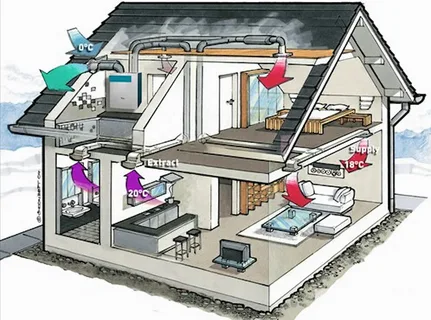
Domestic heat recovery ventilation (HRV) is designed to ventilate and heat your home while reducing energy costs. It captures the heat from warm, stale air vented to preheat fresh, cold air entering your home. Doing this helps maintain comfortable temperatures without wasting energy.
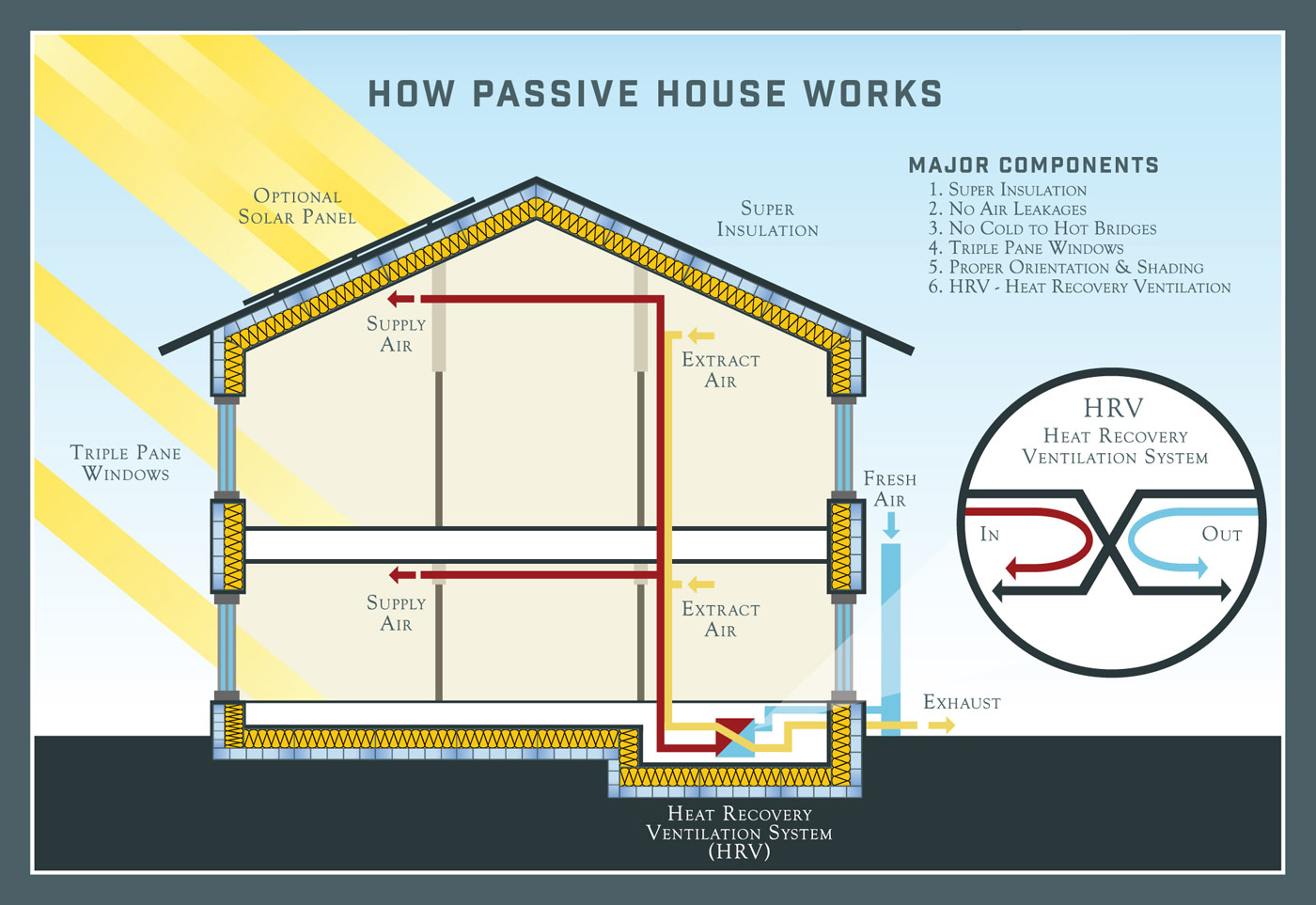
The HRV system comprises several components, including an intake and exhaust vent, a fan, a heat exchanger, and a control unit. The fan pulls fresh air in from the outside through the intake vent. This air passes through the heat exchanger, which is heated by the air exhausted from your home. The newly heated air is sent through the exhaust vent, and the cycle repeats.
The control unit monitors the temperature and humidity levels inside your home. It can automatically adjust the speed of the fan and the amount of air passing through the vents accordingly. It also filters, preventing pollutants such as dust, pollen, and allergens from entering your home.
Overall, domestic ventilation is an efficient and cost-effective way to maintain comfortable temperatures in your home while minimizing energy costs. Its ability to keep harmful airborne particles out of your living space adds a layer of protection for you and your family. Installing an HRV system may seem daunting initially, but many DIYers can install their systems. Alternatively, you could hire an experienced HVAC technician to establish the procedure quickly and safely.
No matter your route, adding a passive ventilation system with heat recovery to your home will pay off in the long run—saving you money on utility bills while improving indoor air quality. So don’t delay—invest in domestic heat recovery today!
 The Benefits Of A Heat Energy Recovery System
Heat energy recovery system is a great way to save energy and money in your home. Heat recovery ventilators (HRVs) transfer heat from the outgoing stale air to the incoming fresh air, helping keep your home warm in winter and cool in summer. This system helps reduce energy bills and also improves indoor air quality.
HRV systems help to create a healthier indoor environment by removing excess moisture, dust, pollen and other airborne pollutants that can contribute to asthma, allergies, and other health issues. Also, an HRV system can reduce condensation on windows and prevent the growth of mould, mildew and bacteria growth.
Using HRV systems in the home can also lead to a more comfortable environment since they provide a constant flow of fresh air. It can help to reduce stuffiness, odours, and airborne allergens. Additionally, an HRV system can help reduce noise pollution coming from outside by making it quieter inside the house.
Overall, a heat recovery system can help create a healthier and more comfortable living environment while saving energy costs simultaneously. With a properly installed system, you can enjoy the fresh air’s benefits without sacrificing your comfort or budget.
How To Choose The Right Heat Recovery Fan For Your Home
Several factors must be considered when selecting a heat recovery fan for your home. First, you should consider the size of your home and the amount of ventilation needed. You will need a more robust heat fan if your home is more significant. A less powerful model may be sufficient if your home is smaller.
Next, consider the heat recovery system that best suits your needs. There are two main types of heat recovery systems – passive and active. Passive systems require little to no maintenance and are usually cheaper than dynamic systems. On the other hand, active systems require more maintenance but offer more energy efficiency.
Finally, consider the energy rating of the heat fan you are considering. Heat fans are rated by efficiency, measured in cubic meters per hour (m3/h). Look for fans with higher m3/h ratings, which indicates that they are more efficient and will save you money in the long run.
When choosing a heat fan for your home, it’s essential to consider all of these factors to find the best solution for your needs. With the suitable model, you can maximize your energy savings while also improving the indoor air quality of your home. Furthermore, some models of heat fans come with additional features such as humidity control and filtration. These features help ensure that your indoor air remains clean and healthy. Additionally, many modern models are designed to reduce noise levels, so you don’t have to worry about loud operating noises.
Finally, make sure to research different models and brands before making a purchase. Compare features and prices to find the best value for your money. Doing so will ensure you get the most out of your new heat fan and help keep your home comfortable all year round.
Tips For Installing Heat Recovery Ventilator Sizing In Your Home
Measure the size of your room to determine the heat recovery ventilator sizing that you need. If your room is large, you will need a giant ventilator and vice versa. It’s essential to ensure that the ventilator you choose is sized correctly for your space, as a ventilator that is too small won’t be able to move air effectively throughout the room.
Consider the climate in your area. If you live in a room with hot summers, you should install a more powerful heat recovery ventilator than in an area with mild summers. It will help ensure your system can effectively cool down your home when the weather gets hot.
Choose a ventilator that fits your budget. Heat recovery ventilators can range in price from a few hundred dollars to several thousand, so it’s essential to make sure you pick one that you can afford.
Make sure you install the ventilator properly. Poor installation can result in a decrease in efficiency and an increase in noise levels, so it’s essential to make sure you read the instructions carefully before starting.
Test the system after installation to ensure it works properly. You should be able to hear a quiet humming sound when the system is running, and you should feel the air being pulled through the vents in each room. Contact a professional to ensure everything is installed correctly if anything seems to be corrected.
These tips will help ensure your new heat recovery ventilator is appropriately sized and installed in your home. A correctly sized and installed system will help keep your home cool during the hot summer months and warm during the cold winter months, helping you save on energy bills!
Conclusion
Heat recovery ventilation is an essential part of any home. It helps keep your house at a comfortable temperature and removes stale air while also conserving energy. With a properly installed system, you can save money on energy bills while improving your home’s comfort and air quality. Installing a heat recovery ventilator is relatively straightforward, but it’s essential to select the right fan for your needs and size the system correctly. Doing so will ensure that you get the most out of your heat recovery system and enjoy all its benefits.
Related Websites:
Articles on Blogshunt
Articles on tbablogs
Articles on Blogspeoples
Articles on Thebigblogtheory
Articles on Allcityforums
Related Websites:
Articles on Blogshunt
Articles on tbablogs
Articles on Blogspeoples
Articles on Thebigblogtheory
Articles on Allcityforums