

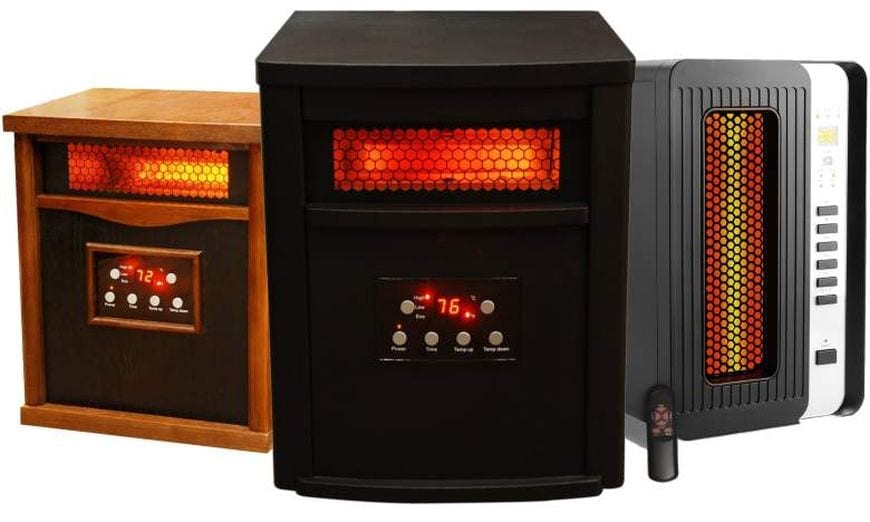

Infrared- Heaters are becoming increasingly popular due to their energy efficiency, affordability, and effectiveness. But how exactly do they work? In this blog post, companies will explore the science behind Infrared Heater and explain how they work to provide comfortable, cost-effective heating solutions. We’ll look at the different types of Infrared- Heaters, the benefits they offer, and the potential drawbacks of this innovative heating method. By the end of the article, you should have a much better understanding of Infrared- Heaters and their potential to improve your home’s comfort and energy efficiency.
Working
Traditional heating methods like central heating systems, electric heaters, and wood-burning stoves work by using convection. In simple terms, this means that the air in a room is heated up and then circulated through the space. This method of heating works by using a source of heat to warm up the air in a room, which then rises and spreads out. However, while traditional heating methods can effectively heat a room, they are not always the most efficient or cost-effective. Convection heating relies on the circulation of hot air, which means that heat can easily escape through gaps in doors or windows, and the warm air tends to collect near the ceiling, leaving the lower parts of a room cooler.
Emit infrared radiation
This is where Infrared- Heaters come in. Instead of using convection, Infrared- Heaters emit infrared radiation to heat objects and people directly without heating the air in the room. This innovative heating method can provide numerous benefits over traditional heating methods. Infrared- Heaters use various materials to produce infrared radiation, including ceramic, quartz, and metal elements. The type of material used can affect the efficiency and lifespan of the heater and the amount of heat produced.
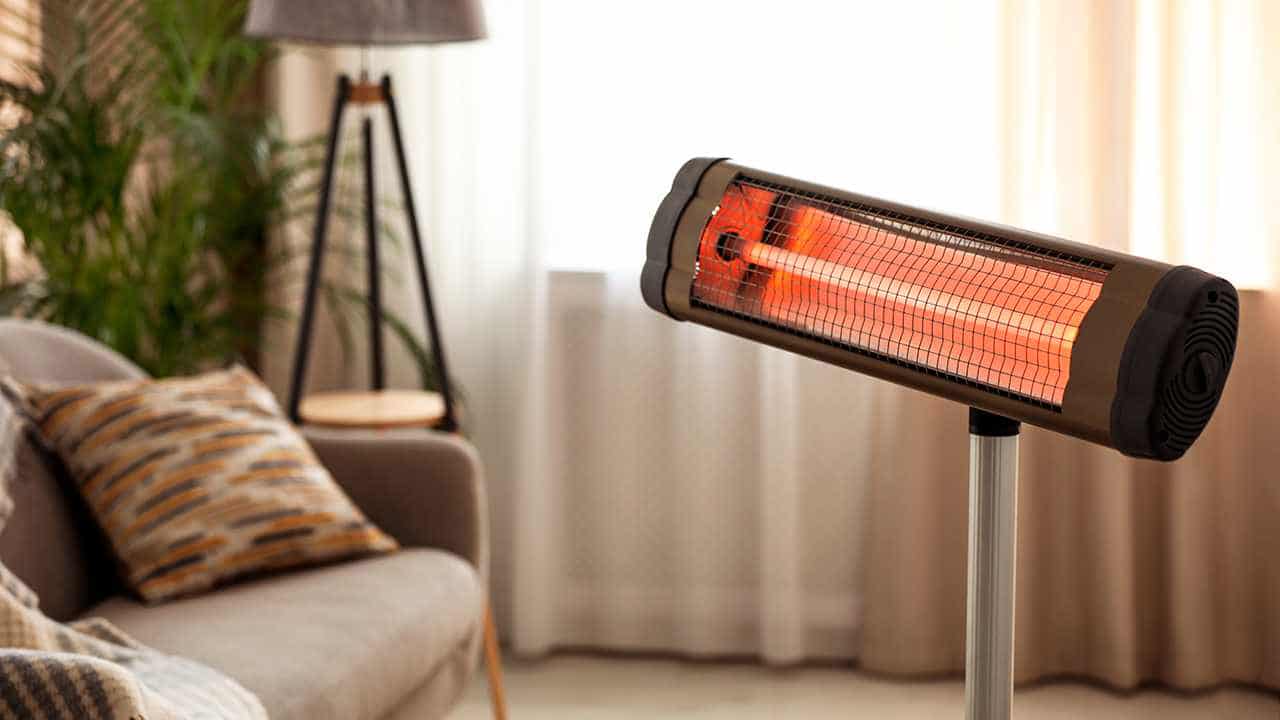 What is infrared radiation?
Infrared radiation is a type of electromagnetic radiation that is invisible to the human eye but can be felt as heat. This form of radiation lies just beyond the visible light spectrum, with wavelengths ranging from about 700 nanometers to 1 millimetre. All warm objects generate infrared radiation, including your bodies, the sun, and traditional heating sources like furnaces and radiators. However, Infrared- Heaters differ from these conventional heating methods in utilising this type of radiation to heat a space.
Available in different forms
Infrared- Heaters are available in different forms, including portable units and wall-mounted models. Mobile units can be easily moved from room to room, while wall-mounted models provide a more permanent solution for heating larger spaces. Overall, the science behind Infrared- Heaters is simple yet effective. By using infrared radiation to directly heat the objects in space, Infrared- Heaters provide a more efficient and comfortable way of warming up your home or workspace. This means that the temperature in the room is more evenly distributed, resulting in a more comfortable and consistent temperature throughout.
The benefits of infrared heating
While traditional heating methods rely on convection to warm the air in a room, Infrared- Heaters work by directly warming up objects and people. This means that Infrared- Heaters have several unique benefits over traditional heating methods. One significant benefit of Infrared- Heaters is their cost-effectiveness. Because they don’t need to heat large volumes of air, Infrared- Heaters can be more efficient and cost less than traditional heaters. This can be especially beneficial for people looking to save money on their energy bills. In addition to being cost-effective, Infrared- Heaters also have environmental benefits. Because they use less energy to operate, they can help to reduce carbon emissions and contribute to a more sustainable future.
Reduce the carbon footprint
This can be especially important for people looking to reduce their carbon footprint and live a more environmentally-friendly lifestyle. Overall, there are many benefits to using an Infrared- Heater in your home or office. Whether you’re looking to save money on your energy bills, reduce your carbon footprint, or simply enjoy a more comfortable and efficient heating solution, an Infrared- Heater may be just what you need. In addition to their cost-effectiveness and environmental benefits, Infrared- Heaters provide more targeted heating. Traditional heaters warm up the air in a room, leading to uneven temperatures and wasted energy.
Electric Infrared Heater ability to produce heat quickly
Electric Infrared Heater, on the other hand, can be directed towards specific areas or objects, providing more precise and efficient heating. So if you’re considering upgrading your heating system, explore the many benefits of infrared heating and see how it can help you stay warm and comfortable all winter. Another benefit of Infrared- Heaters is their ability to produce heat quickly. Traditional heaters can take a while to warm up a room, but Infrared- Heaters can provide warmth almost immediately after being turned on. This can be especially helpful in areas where heat is needed quickly, such as in a bathroom or small office.
Cost-Effectiveness
In addition to their efficiency and eco-friendliness, Infrared- Heaters are also cost-effective. They are relatively affordable compared to other heating systems, and their energy consumption is low, resulting in lower monthly energy bills. Moreover, Infrared- Heaters have a longer lifespan than other heating systems, meaning you won’t need to replace them frequently. They also require less maintenance and upkeep, so you won’t have to spend extra money on repairs or replacement parts. Infrared- Heaters can also help reduce overall heating costs because they heat objects directly rather than the surrounding air.
Environmental impact
Overall, Infrared- Heaters are a wise investment for anyone looking to save money on their heating bills while reducing their environmental impact. They provide a reliable and cost-effective heating solution that keeps you warm and cozy all winter. When considering the cost-effectiveness of Infrared- Heaters, it’s essential to remember that they also offer zone heating capabilities. This means that you can focus the heat on the rooms that are being used rather than heating the entire house. This can save even more on energy costs. Another benefit of Infrared- Heaters is that they provide direct heat, unlike traditional heating systems that take time to warm up a room.
Safe and convenient to use
Furthermore, Infrared- Heaters are safe and convenient to use. They don’t produce harmful fumes, so you don’t have to worry about ventilation issues. They also come in portable models, so you can move them around the house as needed. Regarding the overall cost-effectiveness of Infrared- Heaters, it’s essential to consider the long-term benefits. With their durability and low energy usage, Infrared- Heaters can last for years without needing to be replaced, resulting in even more significant savings in the long run. Additionally, their zone heating capabilities mean you can reduce heating costs even further by only using them in the needed rooms.
Convenient way to stay warm during
Overall, the cost-effectiveness of Infrared- Heaters is just one of the many benefits that make them an excellent choice for home heating. They offer a reliable, eco-friendly, and convenient way to stay warm during winter while keeping energy bills under control. So if you’re looking for a way to save money on heating costs without sacrificing comfort, consider investing in an Infrared- Heater today. This reduces the risk of accidents and spills that can harm the environment and nearby communities. And, unlike gas or oil heaters, there is no risk of leaks or explosions, making them a safer option for the environment.
Environmental benefits of Outdoor Infrared Heater
Aside from being a cost-effective heating solution, Outdoor Infrared Heater also have several environmental benefits. Unlike traditional heating systems that use fossil fuels, Infrared- Heaters operate using electricity, which is a more eco-friendly option. This means that Infrared- Heaters do not emit harmful pollutants or gases that can contribute to air pollution or greenhouse gas emissions. In addition, Infrared- Heaters do not rely on any type of fuel, so they don’t require storage or transportation of potentially hazardous materials.
Produce less waste
Another benefit of Infrared- Heaters is that they produce less waste than other heating systems. They do not have any ashes, smoke, or soot, so they don’t require frequent cleaning and maintenance. This reduces the amount of waste generated and its impact on the environment. Lastly, Infrared- Heaters also help reduce the overall energy consumption of a building or space. They heat objects directly, so they do not have to heat the air around them before heating a room. This reduces the energy needed to maintain a comfortable temperature, resulting in lower energy bills and a smaller carbon footprint.
Comfortable living space
Overall, the environmental benefits of Infrared- Heaters make them an ideal choice for those who want to reduce their environmental impact while maintaining a comfortable living space. However, it’s important to note that while Infrared- Heaters are more eco-friendly than traditional heating methods, they still consume electricity, which may not always come from renewable sources. It’s essential to consider the source of electricity and choose an option that uses renewable energy whenever possible. Furthermore, it’s worth noting that the lifespan of an Infrared- Heater is significantly longer than that of a traditional heating system, meaning that it contributes to less waste and pollution over time.
Conclusion
Infrared- Heaters offer a modern and efficient alternative to traditional heating methods. Using infrared radiation science, these heaters can provide comfortable warmth without wasting energy or creating unnecessary environmental harm. The benefits of infrared heating, including cost-effectiveness and eco-friendliness, make them a smart choice for those looking to upgrade their heating systems.
Related Websites:
Articles on Blogshunt
Articles on tbablogs
Articles on Blogspeoples
Articles on Thebigblogtheory
Articles on Allcityforums