

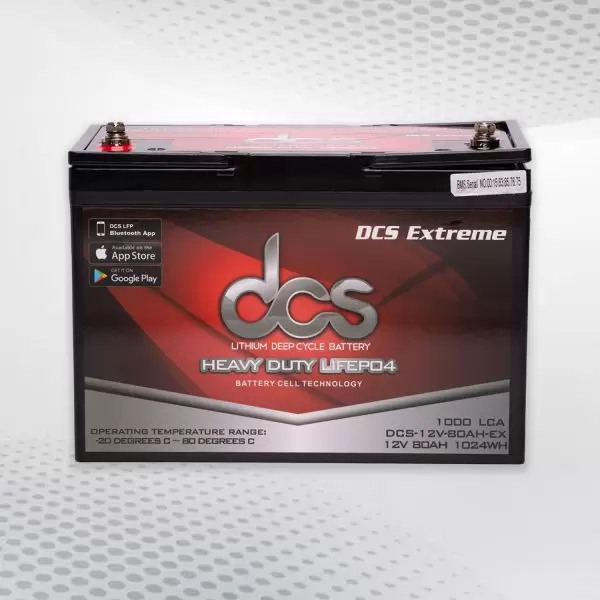

Lithium batteries have revolutionized the way we use and store energy. They are significantly lighter, longer-lasting, and more potent than conventional lead-acid batteries, making them an ideal choice for various applications. From providing higher energy densities to being more resilient in extreme temperatures, there’s no doubt that these batteries offer a vast range of advantages.
Lithium Solar Batteries Are More Energy Dense
Lithium solar batteries are quickly becoming the most popular type of rechargeable battery due to their high energy density. It means they can store more energy in a smaller space than other types of batteries. It is instrumental in limited space applications, such as portable devices and solar energy storage systems. These batteries also have a much higher energy efficiency than other types of batteries, allowing them to provide more power with less energy. This makes them ideal for high-power output applications, such as electric vehicles and renewable energy sources.
Additionally, solar batteries have a longer life span than other types of batteries, making them cost-effective over time. Many models can last up to 10 years if properly maintained, while others may last even longer. They also require very little maintenance, meaning you can save money by avoiding costly repairs or replacements. Furthermore, solar batteries don’t contain harmful substances, such as lead or cadmium, meaning they can be recycled safely and don’t pose any environmental risks. In addition, these batteries can operate from -40 degrees Celsius up to 65 degrees Celsius without any problems or significant reductions in performance. It makes them suitable for use in virtually any environment or climate.
Solar Lithium Batteries Don’t Require Priming
One of the significant advantages of using solar lithium batteries is that they don’t require priming. Priming refers to charging a battery before its use to improve its efficiency and capacity. It can be a very time-consuming and tedious process when using lead-acid batteries, but with these batteries, it’s not necessary. When you purchase a lithium battery, it comes pre-charged and ready to use immediately. It means you don’t have to spend time and energy priming the battery. It makes it much easier and more convenient for those looking for a reliable energy source for their solar power system.
Another benefit of these batteries not requiring priming is that they also require less maintenance. Lead acid batteries require regular monitoring and topping up electrolyte levels to ensure the battery works properly. It can be tedious and labour-intensive, especially if you run multiple batteries. With solar batteries, you won’t have to worry about any of that. Overall, solar batteries offer many benefits over lead acid batteries, including not requiring priming. It means they are much easier to install and use and require less maintenance. They are also much more efficient, providing more power per charge than lead-acid batteries. For these reasons, solar batteries are becoming increasingly popular as an alternative to lead-acid batteries for solar power systems.
Deep Cycle Batteries Have A Higher Voltage
Deep cycle batteries have a higher voltage than other types of batteries. It means that when used in solar applications, they can provide more power to your system than different types of batteries. It is essential because it allows you to maximize the energy you can store and use from your solar system. Deep-cycle batteries also can withstand deep discharges better than other batteries, which helps ensure you get the most out of your battery. Additionally, their higher voltage enables them to be used in applications that require more power, such as power tools or electric cars.
These batteries are highly durable and long-lasting; if maintained properly, they can last up to twice as long as traditional lead acid batteries. This extended life makes solar batteries ideal for applications where long-term reliability is critical. They are also lightweight compared to conventional lead acid batteries, making them easier to transport and handle. These batteries do not experience sulfation like other battery types, so they remain in peak condition over their lifetime. They do not suffer from reduced capacity due to sulfation buildup over time. Furthermore, these batteries do not contain any toxic substances, making them a much safer option than lead-acid batteries. In addition, they do not require any maintenance like traditional lead acid batteries, saving you money on labour costs associated with routine maintenance.
Deep Cycle Batteries Solar Don’t Self-Discharge As Quickly

One of the main benefits of using deep cycle batteries solar over traditional lead-acid batteries is that they don’t self-discharge as quickly. These batteries can hold their charge for much longer than conventional lead-acid batteries and don’t need to be recharged as often. It makes them an excellent choice for applications where the battery will be stored for long periods without use. For example, if you were using a lithium battery in a solar energy system, it wouldn’t need to be recharged as often due to its low self-discharge rate. It makes them ideal for situations where the system is not being used regularly and could go days or weeks without recharging.
In addition, these batteries are more reliable and durable, which makes them an ideal choice for deep-cycle applications. Deep-cycle batteries are designed to provide a steady and reliable current over long periods, and the low self-discharge rate of these batteries ensures that they can maintain their charge level for extended periods. Overall, deep-cycle batteries solar don’t self-discharge as quickly, making them an ideal choice for many applications. They are reliable, durable, and require less frequent recharging than other types of batteries.
Solar Deep Cycle Batteries Can Operate In The Broader Temperature Range
Solar deep cycle batteries are known for their ability to operate in a wide temperature range, from -20°C to 60°C. It is especially beneficial for those who live in extreme climates and need a battery that can withstand the rigours of the environment. This type of battery is also known for its high voltage, meaning it can hold a charge longer than other types of batteries, making it perfect for applications such as RV and marine use, where there is often no access to power sources.
The ability of solar batteries to operate in a wide temperature range makes them ideal for those living in areas with extreme weather and for use in recreational vehicles and boats. They can be used in temperatures ranging from -20°C to 60°C without compromising their performance or battery life. Additionally, solar batteries offer superior safety benefits due to their lower heat generation and reduced fire risk. In summary, solar batteries offer many benefits over traditional lead-acid batteries, including the ability to operate on a broader temperature range and higher voltage. It makes them an ideal choice for those living in extreme climates and recreational vehicle and boat owners who want to maximize their battery life and performance.
Conclusion
Solar batteries are ideal for various applications, such as solar power storage. They are lighter, more energy dense, and require less maintenance than traditional lead acid batteries. They also last longer and can operate on a broader temperature range. In addition, they don’t need to be primed or discharged and don’t self-discharge as quickly as lead acid batteries. These benefits make these batteries an attractive option for anyone looking to store solar energy most efficiently and cost-effectively as possible.