


When it comes to powering your caravan or boat, having a reliable deep-cycle battery is essential. Group 31 AGM deep-cycle batteries are a popular choice among caravan and boat owners due to their high performance and durability. In this blog post, we will explore the benefits of using group 31 agm deep cycle battery and how they can enhance the performance of your vehicle or vessel.
Understanding Group 31 AGM Deep Cycle Batteries
Group 31 AGM deep cycle batteries represent a class of sealed lead-acid batteries crafted to offer a consistent and robust power supply for extended durations. The abbreviation AGM stands for Absorbent Glass Mat, highlighting the innovative design where the electrolyte is absorbed within a glass mat separator.
This unique construction facilitates a maintenance-free experience and roof quality, rendering it exceptionally suitable for caravan and boat applications. These batteries are distinguished by their ability to endure frequent discharging and recharging cycles with minimal impact on performance.
The AGM technology ensures a safer operation by containing the electrolyte and contributes to the batteries’ superior resistance to vibrations and shocks – characteristics vital for mobile environments. Furthermore, the tight packing of the AGM structure enhances the battery’s lifespan and efficiency, making it a preferred choice for those seeking reliable energy solutions in mobile applications or renewable energy systems.
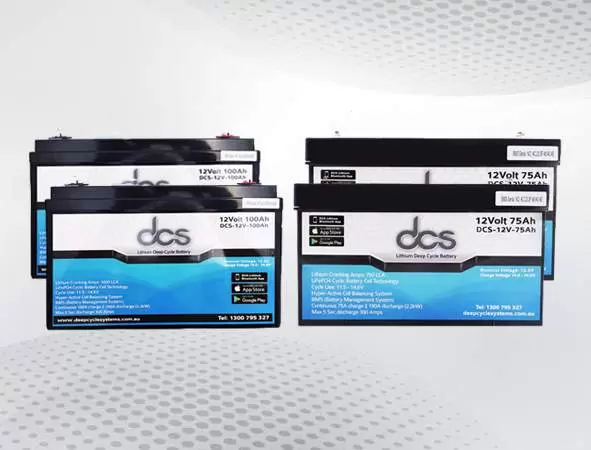 The Advantages Of Using Best Group 31 Deep Cycle Battery
Best group 31 deep cycle battery boast superior durability due to their robust construction. This makes them exceptionally resistant to harsh conditions and frequent deep discharge cycles, ensuring longevity.
Maintenance-Free Operation
Unlike traditional flooded lead-acid batteries, these AGM batteries do not require regular topping up with water, making them an ideal, fuss-free option for those who prefer a low-maintenance solution.
Improved Safety Features
The sealed design of Group 31 AGM batteries minimises the risk of acid leaks and gas emissions, making them safer to use in enclosed spaces and reducing the risk of fire or chemical exposure.
Higher Efficiency
These batteries are known for delivering consistent power output even under demanding conditions. Their efficient charge acceptance means they can be quickly recharged and ready to provide reliable energy.
Vibration Resistance
The compact and solid construction of AGM batteries provides exceptional resistance to vibrations and shocks, an essential feature for applications in mobile environments like boats and caravans.
Environmental Considerations
With no acid spillage and reduced gas emissions, Group 31 AGM deep cycle batteries are more environmentally friendly than traditional batteries, aligning with the growing demand for sustainable energy solutions.
Comparing Group 31 AGM to Other Deep Cycle Batteries
Group 31 AGM variants demonstrate a marked superiority over their counterparts in deep cycle batteries, including flooded lead-acid and gel batteries. One of the standout attributes of AGM batteries is their resilience to vibration and shock – a quality that places them a notch above the rest for vehicular and maritime applications.
This resilience is crucial in environments with constant movement, ensuring the battery’s performance remains unaffected. Additionally, the self-discharge rate of AGM batteries is notably lower than that of flooded lead-acid batteries.
This feature is particularly beneficial for applications that entail prolonged periods without access to a charging source, as it ensures the battery retains its charge for longer durations. While the initial outlay for Group 31 AGM batteries may be higher, their extended lifespan and robust performance provide a compelling argument for their selection.
Ideal Applications For Group 31 Deep Cycle
Group 31 deep cycle is well-suited for various applications where reliability and long-lasting power are paramount. These include recreational vehicles such as caravans and boats and extend to motorhomes where consistent energy supply is critical for on-the-road living.
These batteries efficiently store energy in renewable energy setups, like solar power systems. The robust nature of Group 31 AGM batteries makes them a reliable choice for powering marine equipment, providing the resilience needed in challenging marine environments.
Additionally, they serve as an excellent resource for emergency backup power systems, ensuring critical systems remain operational during power outages. The versatility of Group 31 AGM deep cycle batteries underscores their adaptability across various sectors, highlighting their significance in applications demanding durable and maintenance-free power solutions.
Maintenance Tips For Deep Cycle Group 31
Ensuring deep cycle group 31 longevity and optimal performance involves adhering to a set of maintenance practices.
- Regularly examining the battery’s voltage and state of charge is crucial to detect any signs of underperformance early.
- Terminals should be kept clean and without corrosion to maintain efficient energy flow.
- Avoid practices that may lead to overcharging or undercharging, as these can significantly diminish the battery’s lifespan.
- When the battery is inactive, storing it in a cool, dry place is recommended to prevent capacity loss.
- Utilisation of a compatible charger designed explicitly for AGM batteries is advised to ensure appropriate charging techniques are applied.
- Following these guidelines will contribute to sustaining the battery’s efficacy and prolonging its service life.
Installation Guide for Group 31 AGM Deep Cycle Batteries
Installing Group 31 AGM deep cycle batteries requires careful attention to detail to ensure safety and optimise performance. One should commence by accurately connecting the positive and negative terminals, ensuring no mix-up, as this could lead to severe damage to both the battery and the equipment it powers.
The cable gauge selected for installation must correspond to the battery’s size and power requirements to maintain an efficient electrical flow and prevent overheating. Securing the battery firmly in place is essential to mitigate the risk of movement during transit, which can lead to disconnections or damage.
Adhering to the manufacturer’s installation and ongoing maintenance guidelines will provide the foundation for the battery’s optimal operation and longevity. Furthermore, ensuring that the area around the battery is kept clear of any objects that could puncture or damage it is crucial, given its vital role in the power supply chain of caravans, boats, and other recreational vehicles.
The Environmental Impact Of Group 31 Deep Cycle Battery
Group 31 deep cycle battery contribute to a significant reduction in hazardous waste due to their sealed design, which prevents the leakage of harmful substances into the environment.
Recyclability
These batteries boast a high recyclability rate. Most of the materials used in construction, such as lead and plastic, are recoverable and reusable in new battery production, thus diminishing the need for raw material extraction.
Energy Efficiency
AGM technology is known for its superior energy efficiency compared to traditional battery types. This results in less energy wastage during charge and discharge cycles and contributes to lower carbon emissions.
Longer Lifespan
The extended lifespan of Group 31 AGM batteries means fewer units must be manufactured and disposed of over time, reducing the environmental footprint associated with production and disposal.
No Water Usage
Unlike flooded lead-acid batteries, AGM batteries do not require water top-ups, eliminating the use of distilled water and the associated environmental impact.
Lower Emission of Gases
The sealed nature of AGM batteries minimises the emission of harmful gases during charging and discharging, contributing to a cleaner atmosphere and a safer environment for both users and wildlife.
Cost Analysis of Group 31 AGM Deep Cycle Batteries
The initial purchase price of Group 31 AGM deep cycle batteries is notably higher than conventional lead-acid counterparts. However, it is essential to consider the broader financial perspective over the battery’s lifespan. These AGM batteries offer superior longevity and require minimal maintenance, translating into cost savings on replacement batteries and maintenance expenses over time.
Additionally, their robust performance and ability to withstand numerous discharge and recharge cycles without significant degradation ensure a reliable power source, thereby potentially reducing the frequency of costly power-related issues.
The efficiency in energy storage and usage further enhances their cost-effectiveness, as it allows for optimal utilisation of the stored power, thus contributing to operational savings in the long term. When these factors are considered, Group 31 AGM deep cycle batteries emerge as a financially prudent choice for those seeking a durable, high-performance energy solution.
Enhancing Your Boat’s Performance With Energy Power Deep Cycle Battery
Optimising the performance of caravans and boats is pivotal for enthusiasts seeking to maximise their outdoor experiences. Introducing energy power deep cycle battery into such settings can be transformative. These batteries provide a robust and reliable power source, ensuring all onboard electrical systems function optimally, even in remote locations.
The efficiency and longevity of Group 31 AGM batteries translate into fewer worries about power shortages, allowing for more extended periods of enjoyment on the water or on the road. Their superior vibration resistance is particularly advantageous in marine and mobile environments, safeguarding the battery’s performance against the rigours of movement and rough terrains.
By incorporating these batteries into caravans and boats, owners can significantly enhance the reliability and efficiency of their vehicles, ensuring that energy-dependent amenities such as lighting, navigation, and refrigeration systems operate seamlessly.
Future Trends in AGM Battery Technology
Significant advancements in AGM battery technology are anticipated as the energy storage landscape evolves. The quest for higher energy densities is set to yield batteries that afford longer run times, catering to the increasing demands for extended usage periods without frequent recharging.
This progression will also see the development of AGM batteries capable of faster charging speeds, significantly reducing downtime and enhancing the convenience of use in various applications. In parallel, improving safety features will remain paramount, with innovations to further minimise the risk of accidents and ensure safe operation in a broader range of environments.
Additionally, the integration of innovative technology is poised to transform AGM batteries into more intelligent energy solutions. This will facilitate remote monitoring and control, allowing for real-time insights into battery health and performance, thereby optimising the overall efficiency of power management systems.
Conclusion
In summary, group 31 deep cycle ensure a consistent and reliable energy supply in caravans and boats. These batteries distinguish themselves through their robust performance, enduring durability, and minimal upkeep demands. Electing for Group 31 AGM batteries signifies a commitment to enhancing the efficacy and reliability of mobile and marine electrical systems. Their contribution towards a seamless operational experience in vehicles and vessels is unparalleled, affirming their status as a superior choice for individuals prioritising efficiency and dependability in their power solutions.
FAQs
What distinguishes a Group 31 AGM deep cycle battery from other battery types?
Group 31 AGM deep cycle batteries are recognised for their robust construction, enabling them to withstand frequent discharging and recharging cycles with minimal performance degradation. The technology encapsulates the electrolyte in an absorbent glass mat, making these batteries spill-proof and maintenance-free, unlike traditional flooded lead-acid batteries.
Can Group 31 Deep Cycle Be Used For Solar Power Systems?
Group 31 deep cycle is well-suited for renewable energy systems, including solar power setups. Their efficient energy storage capabilities and resistance to deep discharge make them an excellent choice for storing solar energy.
How should a Group 31 AGM deep cycle battery be maintained to ensure longevity?
Maintaining a Group 31 AGM battery involves regular voltage and state-of-charge checks, ensuring terminals remain clean and free from corrosion, and avoiding overcharging or undercharging. Proper storage in a cool, dry place when not in active use also significantly prolongs the battery’s lifespan.
| Other Good Articles to Read |
| Skank Blogs |
| Unreal Blogs |
| Tba Blogs |
| All City Forums |
| Dany Blogs |
| Refuge Blogs |
| The Music Blogs |
| Key Forums |
| The Big Blog Theory |
| Joe Blogs |
| Blogs 4 Me |
| Blogs Emon |
| Related Business Listings |
| Contact Directory |
| Local Business Profiles |