


Diabetes affects every body part, and the feet are no exception. Diabetic foot complications can occur when blood sugar levels are not managed properly. Wearing best work boots for diabetics is essential to help protect your feet from potential problems. These boots offer ultimate foot health and comfort while providing style and protection at every step. Explore these boot options to avoid diabetic foot complications and take the necessary steps to keep your feet healthy.
Understanding the Risks of Diabetic Foot Complications
Diabetes is a complex condition that affects every part of the body, including the feet. When blood sugar levels are not properly managed, it can lead to various foot complications. Understanding these risks is crucial for individuals with diabetes to take proactive steps in preventing and managing them.
One of the most common complications is peripheral neuropathy, which causes nerve damage in the feet. This can result in loss of sensation, making it difficult to detect injuries or infections. Without proper treatment, these issues can escalate into serious problems such as ulcers, infections, and amputations.
Poor circulation is another risk factor for diabetic foot complications. Diabetes can damage blood vessels, reducing blood flow to the feet. This means that even minor injuries can take longer to heal and be more prone to infection.
In addition to peripheral neuropathy and poor circulation, individuals with diabetes are also at a higher risk of developing fungal infections, calluses, corns, and foot deformities. These complications can significantly impact daily activities and quality of life.
To mitigate these risks, wearing diabetic-friendly boots that provide the necessary support, cushioning, and protection for the feet is important. These boots are designed to reduce pressure points, prevent rubbing or chafing, and accommodate foot deformities or swelling.
Key Features to Look For In Diabetic Boots Mens
When selecting the right diabetic boots mens, there are a few key features to look for that can make all the difference in ensuring foot health and comfort. First and foremost, it is essential to find boots that provide excellent cushioning and support. This helps to reduce pressure on the feet and prevent any rubbing or chafing that could lead to blisters or sores. Look for boots with ample padding in the insole and collar and a supportive midsole that absorbs shock.
Additionally, diabetic boots should offer a wide and roomy toe box. This allows for proper circulation and helps to accommodate any foot deformities or swelling that may occur. Look for boots with a spacious toe area to ensure no pinching or squeezing that could lead to foot problems.
Another important feature to consider is a slip-resistant outsole. This helps provide stability and prevents accidental slips or falls, which can be especially dangerous for individuals with reduced sensation or balance.
Lastly, it is beneficial to choose boots made from breathable materials. This allows for proper airflow and moisture management, reducing the risk of fungal infections and keeping the feet dry and comfortable.
By selecting diabetic boots with these key features, men can confidently take steps to maintain their foot health and prevent diabetic foot complications. Consult a healthcare professional for personalized advice and recommendations based on individual needs and foot conditions.
Top Diabetic Boot Options for Comfort and Protection
When it comes to choosing diabetic boots for ultimate foot health, several options offer both comfort and protection. One popular choice is the Dr. Comfort Diabetic Work Boot. These boots are designed with extra depth and a wide toe box to accommodate foot deformities or swelling. They also feature a cushioned insole and a slip-resistant outsole, providing excellent support and stability.
Another great option is the Diabetic Walking Boot. These boots are made with breathable materials, allowing for proper airflow and moisture management. They also have a cushioned footbed and a lightweight, flexible outsole for maximum comfort and mobility.
For those looking for a more casual style, the Diabetic Boot is a top pick. These boots have a non-binding, extra depth design and a seamless lining to prevent friction and rubbing. They also feature an ergonomic sole with excellent shock absorption and cushioning.
No matter which diabetic boot option you choose, remember to consult with a healthcare professional for personalized advice and recommendations based on your individual needs and foot conditions. By investing in diabetic-friendly boots with the right features, you can stay ahead of diabetic foot complications and keep your feet healthy and happy.
 How to Properly Care For Your Diabetic Work Boots?
Taking proper care of your diabetic work boots is essential to ensure their longevity and effectiveness in protecting your feet. Here are some tips on how to care for your diabetic boots:
Clean and dry: After each use, clean your boots thoroughly. Use a soft brush to remove dirt or debris, and wipe them down with a damp cloth. Allow them to air dry completely before wearing them again.
Protect and waterproof: Applying a waterproofing spray can help protect your boots from moisture and extend their lifespan. Be sure to choose a product specifically designed for the material of your boots, and follow the instructions on the packaging for the best results.
Store properly: When you’re not wearing your boots, store them in a cool, dry place. Avoid storing them in direct sunlight or near heat sources, as this can cause the materials to deteriorate.
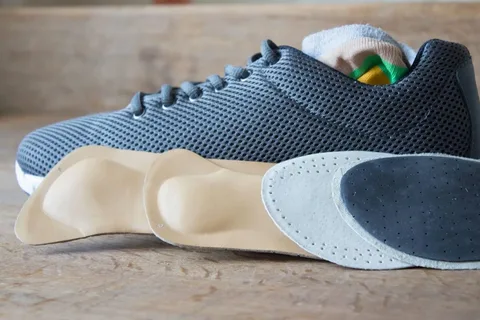
Replace insoles: Over time, the insoles of your diabetic boots may wear out. It’s important to replace them regularly to maintain proper cushioning and support. Look for insoles specifically designed for diabetic footwear for the best fit and comfort.
Regular inspections: Take the time to inspect your boots regularly for any signs of wear and tear. Check the soles for any signs of damage or uneven wear, and inspect the stitching and seams for any signs of loosening or fraying. If you notice any issues, it’s best to have them repaired or replaced as soon as possible.
By following these simple care tips, you can ensure that your diabetic boots remain in good condition and continue to provide the necessary support and protection for your feet. Remember, your foot health is important, so don’t neglect the care of your boots.
FAQs
Have some burning questions about diabetic boots and foot health? Don’t worry; we’ve got you covered! Here are three frequently asked questions to help you navigate the world of diabetic footwear:
1. Q: Can I wear regular boots if I have diabetes?
A: While it’s not recommended, you can wear regular boots if you have diabetes. However, diabetic boots are specifically designed to provide the necessary support and protection for individuals with diabetes. They offer extra depth, wide toe boxes, cushioning, and slip-resistant outsoles, which help prevent foot complications. It’s best to consult a healthcare professional to determine if regular boots suit your specific condition.
2. Q: How often should I replace my diabetic boots?
A: The lifespan of diabetic boots can vary depending on factors such as frequency of use, activity level, and overall wear and tear. As a general rule of thumb, it’s recommended to replace diabetic boots every 6 to 12 months or when you notice significant signs of deterioration. Regular inspections and maintenance, such as replacing insoles, can help extend the life of your boots.
3. Q: Can I wear diabetic boots with orthotic inserts?
A: Yes, you can wear diabetic boots with orthotic inserts. Combining the support and cushioning of diabetic boots with custom orthotic inserts can provide even better foot health and comfort. Orthotic inserts are designed to correct any biomechanical imbalances and provide personalized support. Make sure to choose diabetic boots with removable insoles to accommodate orthotic inserts.
Remember, these answers are meant to provide general guidance. It’s always best to consult a healthcare professional for personalized advice based on your needs and foot conditions.
Final Thoughts on Diabetic Boots and Foot Health
When managing diabetes, taking care of your feet is crucial. Diabetic foot complications can have serious consequences, but with the right boots, you can stay ahead of these problems and maintain optimal foot health. By understanding the risks of diabetic foot complications, selecting boots with key features, and properly caring for your footwear, you can take control of your foot health and reduce the chances of developing serious problems.
Remember, diabetic boots are designed to provide the necessary support, cushioning, and protection for your feet. They can help alleviate pressure points, accommodate foot deformities, and prevent rubbing or chafing. Look for boots with features like extra depth, a wide toe box, cushioned insoles, slip-resistant outsoles, and breathable materials.
By investing in diabetic boots that prioritize foot health, you’re proactively choosing to protect your feet from potential problems. Remember to consult a healthcare professional for personalized advice and recommendations based on your needs and foot conditions. Don’t wait until complications arise – take the necessary steps today to keep your feet healthy and happy. You can confidently walk your path towards optimal foot health with the right boots and proper care.
| Other Good Articles to Read |
| Blogs Rain |
| Cme Blog Spot |
| Garcias Blogs |
| Yyc Blogs |
| Guiade Blogs |
| Blogs-Hunt |
| Impact-Blog |
| Smarty Blogs |
| Ed Blog |
| Mo Blogs |
| Blogs Em |
| Blogs T |