

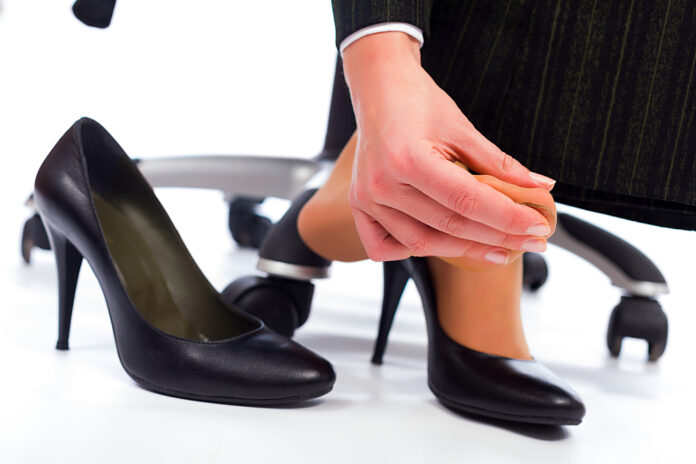

You’re not alone if you have bunions and struggle to find a stylish and comfortable pair of heels. Bunions can be painful and make it difficult to wear fashionable shoes. However, it doesn’t have to be that way! With the right pair of heels, you can look stylish and feel great at the same time. This blog post will discuss the best heels for bunions and why you should wear them. From stylish sandals to dressy pumps, options are available that will not only look great but also provide the necessary support and comfort you need.
The Best Heels For Bunions Stylish
Finding stylish, comfortable, supportive shoes can be challenging when you have bunions, but it doesn’t have to be! Plenty of fashionable heels for bunions provide the support and comfort your feet need. Look for styles with a wide toe box, cushioned arch support, and adjustable straps. Strappy sandals, block heels, and slingbacks are some popular styles that work well with bunions. Extra padding in the sole or heel cup can also help alleviate pressure. Wear a classic pointed-toe pump or a stylish mule for the most stylish look. With so many options available, you’ll surely find a pair of best heels for bunions that look great and feel even better!
 You should also pay attention to materials – steer clear of materials like plastic, as they won’t offer enough flexibility for those with bunions. Instead, choose leather or suede heels that will give your feet room to move without putting too much strain on them. If you’re looking for extra cushioning, consider investing in insoles explicitly designed for bunions. Additionally, wearing a larger shoe size than normal can provide additional space in the toe box, which will help reduce friction and pressure. By following these tips, you’ll be able to rock any style of shoe – no matter how high – without any discomfort!
They Offer Support
When finding the best heels, support is key. Heels with good arch support can help to alleviate pressure on the bunion and reduce discomfort. Look for heels with a wide base, as this will give your feet the most stability, preventing them from rolling inward. If you can find a shoe with a built-in orthotic or cushioning in the sole, that’s even better! Not only do these features provide extra cushioning and shock absorption, but they can also help with the alignment of the foot. Finally, look for a heel with some padding around the ankle for added comfort. It will help to keep your feet in place and further reduce stress on the bunion.
Many high-quality shoes are now being made specifically for those who suffer from bunions. Shoes like these are designed to conform to the foot’s shape while providing maximum support. They often feature contoured insoles and supportive uppers, which help to distribute weight evenly across the entire foot. Additionally, many manufacturers now offer adjustable straps, allowing wearers to customize their fit and ensure their shoes are comfortable throughout the day.
They’re Comfortable
When shopping for the best heels to treat bunions, comfort should be your priority. Heels that are too narrow or too high can cause discomfort, making it difficult to walk or even stand. The best heels offer arch and toe support and cushioning to absorb shock and pressure on the ball of the foot. They should also be flexible and have a wide toe box, so your toes are not cramped. Look for cushioned insoles, soft leather uppers, and non-slip rubber soles. Wearing the right pair of heels can make all the difference in how comfortable you feel, so be sure to find a style that works for you.
Investing in a quality pair will ensure they last longer and provide more support even if they cost more than other shoes. Additionally, wearing higher heel heights may not be recommended if you suffer from severe bunions, but many people with mild bunions still choose to wear higher styles. If necessary, invest in heel liners or cushions to provide extra cushioning. Finally, remember to take care of your feet when wearing heels by stretching before each wear, wearing them no longer than four hours per day, and removing any corns or calluses immediately. With the proper footwear and care, bunion sufferers can continue wearing stylish shoes and look their best! When purchasing new shoes, try them on while standing up to assess whether they fit correctly and comfortably. Don’t buy a shoe that looks great but causes pain — it’s not worth it.
Additionally, buy shoes at the end of the day when your feet are swollen due to walking around, as this gives you an accurate idea of what size is suitable. Shoes should also fit properly in both length and width, and there shouldn’t be any gaps between your big toe and the tip of the shoe. Finally, opt for breathable materials such as leather, canvas or mesh, which allow air to circulate your feet and keep them cool. By following these tips, you’ll be able to enjoy wearing fashionable shoes without sacrificing comfort or risking further damage to your feet.
They Help With Alignment.
When finding the best heels, it’s essential to consider how they help with alignment. Bunions can cause misalignment of the toes and foot, leading to several issues. Wearing the right heel can help with alignment and provide support in the correct places. It’s essential to find a supportive heel to provide arch support but not so high that it causes the toes to be overly compressed. Heels designed to offer arch support, cushioning and heel stability can help reduce strain on the foot, improve alignment and decrease pain associated with bunions.
The shape of the heel is also essential. Heels that are too narrow or too wide may cause discomfort, while wider or square-shaped heels often offer better balance. Shoes made from flexible materials such as leather or suede also have the advantage of being comfortable and providing good support and alignment. Furthermore, look for shoes with extra padding around the heel area to provide even more comfort and protection. Finally, remember to check that your feet fit correctly into your shoes before you buy them – a professional fitting may be necessary if you want the most accurate advice.
High Heels For Bunions Are Fashionable.
High heels can be challenging to wear if you suffer from bunions, but some fashionable options are available. High heels with a wide toe box are ideal as they offer ample room for your toes to move. Look for shoes with cushioning around the bunion area, and make sure they fit snugly. Wedges and platforms can also benefit bunion sufferers as they provide extra stability. When selecting high heels for bunions, look for styles with good arch support and adequate cushioning. It will help keep your feet comfortable and minimize the strain on your joints. Lastly, always try on shoes before purchasing them to ensure they fit correctly and won’t cause any discomfort. You can look stylish and stay comfortable even with bunions with the right high heels.
Pumps, strappy sandals, and other chic styles all work well when you have bunions. Consider adding an insole or orthotic insert to your shoe to give yourself extra support and cushioning. Doing so may reduce stress on the ball of your foot and provide extra cushioning around the bunion area. Additionally, consider buying shoes made of leather or canvas instead of synthetic materials like plastic or vinyl. These materials allow your feet to breathe better, essential for keeping bunion pain at bay.
Conclusion
Wearing the best heels to treat bunions is the key to having a comfortable, stylish, and healthy walk. Bunions can be challenging, but with the right shoes, you can make them easier to manage.
If you have bunions, chances are that your feet hurt. You might also find it difficult to walk or run. Heels for bunions can help solve problems by supporting your feet while walking or running. The Heels For Bunions do this in several ways:
Heels for bunions support your feet while walking or running in several ways.
Heels for bunions support your feet while walking or running in several ways. First, they protect the toe area from further harm. When you’re wearing heels with a raised heel, such as those used by many women with bunions, it positions your foot so that there is less pressure on the bony part of the big toe (hallux) and more pressure on it its surrounding tissue and joints. This helps prevent further damage to these areas when wearing high-heeled shoes that may otherwise put too much stress on them.
Second, heels for bunions pull the toes back into alignment with the rest of your foot. If you have been diagnosed with a bunion, then it’s likely that one or more of your big toes are sticking outwards at an angle rather than pointing straight ahead like they should be doing; this can cause pain and discomfort over time due to the extra strain being put on other parts of your feet when walking around all day long! By wearing heels that lift slightly higher than regular shoes do but aren’t too high enough where they would cause discomfort because there’s no way anyone could walk around comfortably while wearing them all day long without feeling any pain whatsoever.”
The first way is by protecting the toe area from further harm.
The first way is by protecting the toe area from further harm. Whether you’re running or walking, the heel of your shoe should provide cushioning between your toes and the ground. This can help prevent blisters, calluses and corn from developing in this sensitive region of your feet.
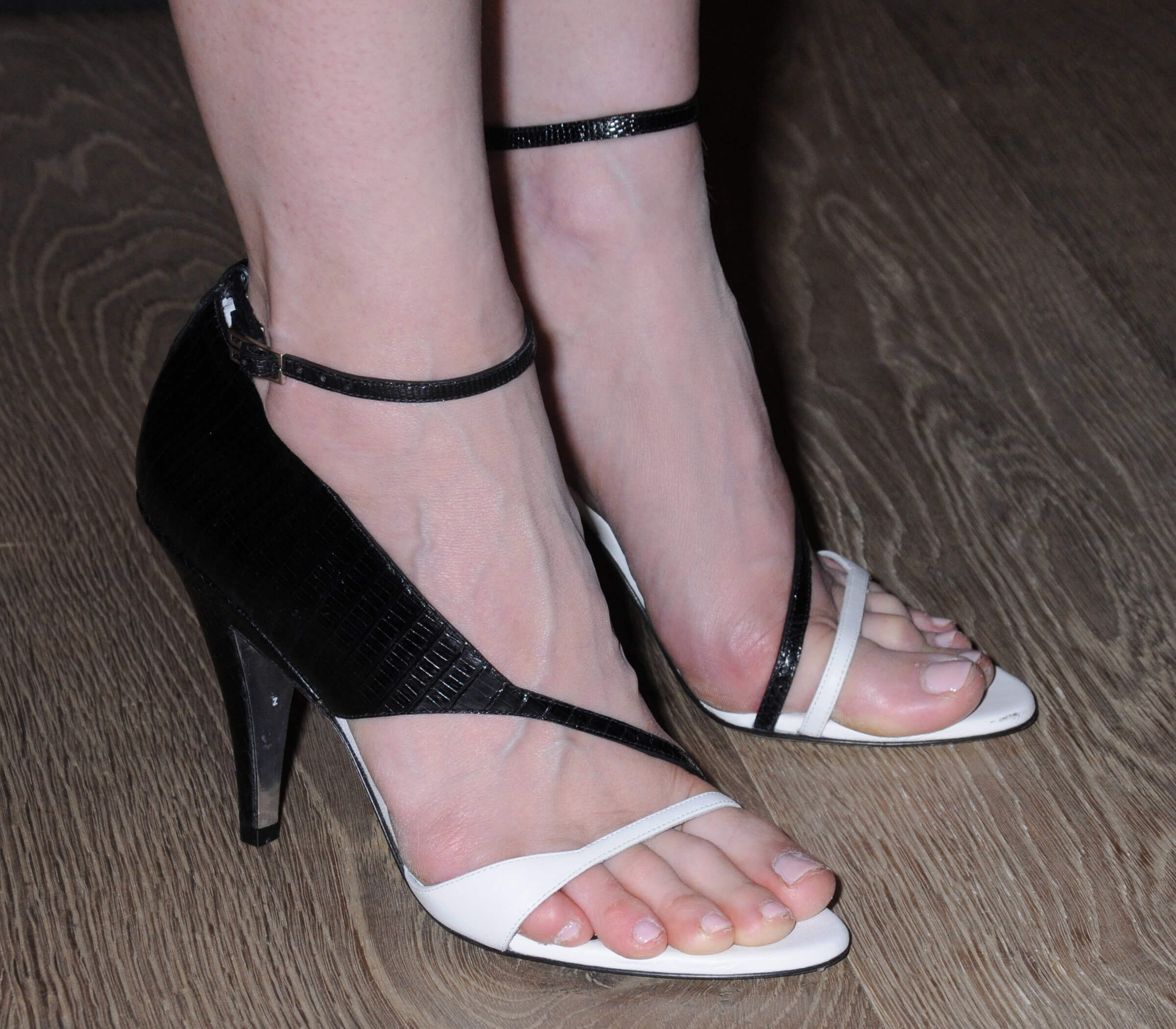 Heels for bunions support your feet while walking or running by reducing stress on joints and muscles in other parts of your body. Many people experience foot pain due to excessive strain on their ankles, knees and hips when they wear shoes with flat soles (like flip-flops). High heels help reduce this extra pressure by taking some weight off these joints while letting them stay mobile enough not to get sore over time, too!
The second way is by pulling the toes back into alignment with the rest of your foot.
The second-way heels for bunions support your feet is by pulling the toes back into alignment with the rest of your foot. This helps reduce pain and discomfort caused by bunion deformities, especially when walking or running long distances.
This can be especially important if you have bunions on both feet because it helps keep them from rubbing together as much as they might otherwise. If this happens often enough during exercise, it can cause friction blisters between each toe joint–a painful condition known as interdigital fissures (or “toe jam”).
The third way is by supporting your ankles and ankles as you run.
The third way is by supporting your ankles and ankles as you run. Ankles and ankles are an essential part of the body because they connect your leg to your foot, which means they help support your weight when walking, running and jumping. Ankles and ankles also help absorb shock during these activities by helping to stabilize them during impact with the ground (or floor).
The fourth way that heels for bunions can improve how well they support your feet while walking or running is by keeping them warm in cold weather conditions so that frostbite doesn’t occur on any exposed skin areas like toes or fingers due to extreme temperatures outside being too low for comfort levels at times during winter months like November through February before spring starts growing again after March 1st every year!
Heels for bunions can help to heal your bunions and maintain good foot health.
Heels for bunions can help to heal your bunions and maintain good foot health. The bunions’ heels are designed to support your feet, making it easier for you to walk or run comfortably. The result is that the pressure on the bunion is reduced, which helps relieve pain and discomfort caused by this condition. Heels for bunions can also help prevent further damage by distributing weight evenly across the entire surface of your foot instead of focusing all of it on just one area (the big toe).
How do heels for bunions support your feet while walking or running?
Hearing that you have bunions can be scary, especially if you like to be active. But don’t worry: heels for bunions can help support your feet while walking or running in several ways.
The first way is by protecting the toe area from further harm. The bunion deformity causes this part of your foot more fragile, making it more susceptible to injuries such as sprains and fractures if not appropriately protected. Heels provide extra padding around this area so that any pressure put on it will be absorbed by the heel rather than transferred directly into bone tissue (which could lead to an even worse injury).
The second way heels support bunions is by pulling them back into alignment with the rest of your foot when walking or running–a process known as “retracing.” Retracing allows one side of each toe bone (phalanges) to move closer until they are again aligned with those on either side; this reduces pain caused by rubbing against each other during movement activities like walking/running, etcetera…
How do heels for bunions help reduce pain?
Heels for bunions help reduce the amount of movement in your toe area. This reduces stress on your foot and ankle, helping them stay aligned. The support provided by heels for bunions helps keep your ankles supported, which can also help prevent pain and discomfort.
How do heels for bunions reduce stress on the foot and ankle?
Heels for bunions are designed to support the foot and ankle, which can reduce stress on the foot and ankle. Heels for bunions also help heal bunion pain by keeping the surrounding area.
Are heels for bunions tough to walk in?
Although heels for bunions are designed to be comfortable, they may take some getting used to. Heels for bunions are made of soft, flexible materials that provide support without the hard edges found on other types of shoes. They also have a wide-toe box and lightweight construction. The most important factor when using heels for bunions is finding a stable heel height that allows you to walk or run comfortably while supporting your foot’s arch and preventing pain from developing in the bunion area.
Are heels for bunion correctives comfortable to wear?
Heels for bunions are comfortable to wear.
- Heels for bunions are made with soft materials, such as leather and microfiber, which makes them lightweight and flexible. They also have a wide toe box that provides extra room for your toes. This helps prevent rubbing between your toes when you walk or run in heels for bunion correctives. So if you’re looking for a shoe that will feel good on your feet all day, heeled shoes might be the best option!
Heels,especially with a wide toe box, can relieve bunions’ pain and discomfort.
- Heels can relieve bunions’ pain and discomfort.
- Heels, especially with a wide toe box, can reduce stress on the foot and ankle.
- Heel height will pull toes back into alignment with the rest of your foot. This helps prevent further bunion formation and may help correct existing ones.
- The extra support from heels can also help support ankles as you run or walk, which is especially beneficial for those with flat feet or high arches that already have problems keeping themselves properly when running or walking long distances.
Conclusion
If you’re looking for a shoe to help your bunions, heels are a great choice. Heels can support your foot and ankle while walking or running, which will help reduce stress on them and keep them aligned properly. They also protect the toe area from further harm and pull the toes back into alignment with the rest of your foot when wearing them regularly.
Related Website
Articles on blogseu
Articles on bryansmithblogs
Articles on moblogs
Articles on skankblogs
Articles on garciasblogs