

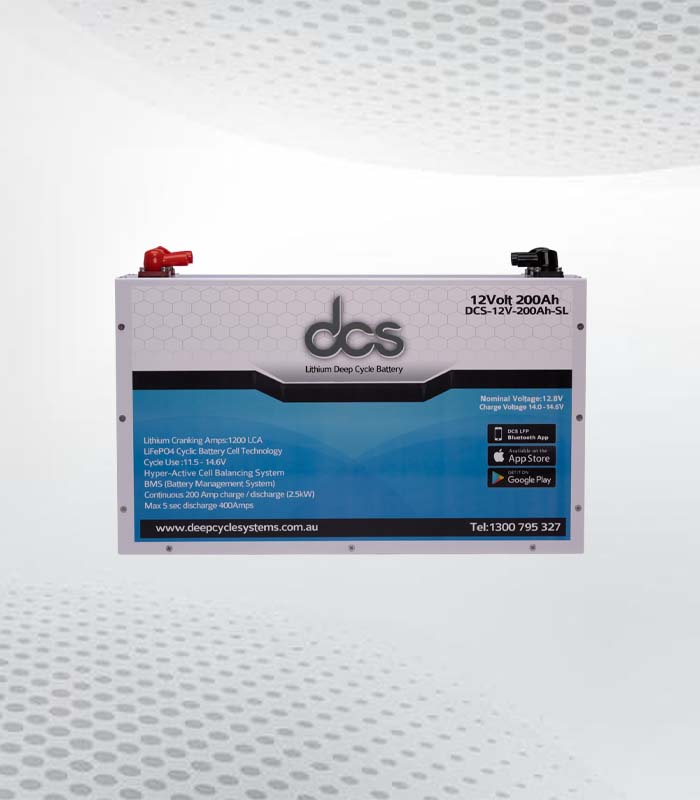

Having a reliable and long-lasting battery is essential when powering our vehicles, boats, and RVs. This is where the lithium deep cycle battery comes in. Unlike traditional lead-acid batteries, designed for short bursts of energy, deep-cycle batteries are specifically built for sustained power output. With technological advancements, the lithium deep-cycle battery has emerged as a top choice for its incredible performance and durability. In this blog post, we’ll closely examine this powerhouse of a battery and explore why it’s becoming a popular choice for various applications.
Understanding the Basics of a Lithium Deep-Cycle Battery
A lithium deep-cycle battery is a rechargeable battery that delivers a consistent power level over an extended period. This attribute differentiates it from other batteries that provide a high-energy output for a short duration. The ‘deep-cycle’ in the name refers to its ability to be deeply discharged and recharged numerous times without significant loss in capacity. This deep discharge ability makes it ideal for applications where the battery needs to be used up to a large fraction of its capacity.
Its constituent material, lithium, gives it a high energy density, translating into more power packed in a smaller size. Its compactness and robust power performance make the lithium deep-cycle battery a preferred choice for various power needs. Furthermore, its impressive lifespan, owing to the resilience of lithium-ion cells, adds to its appeal. The operational efficiency, capacity, and durability of a lithium deep-cycle battery are attributes that stem from the fundamental properties of its design and materials.
The Science behind Deep Cycle Battery Lithium
The heart and soul of a deep cycle battery lithium is its essential component: the lithium-ion cell. This particular section of the battery is responsible for catalysing chemical reactions that generate electricity. Specifically, this entails the migration of lithium ions from the anode to the cathode during the battery’s discharge process, generating an electrical current. In the charging process, the inverse occurs; these ions shift from the cathode back to the anode.
The true superiority of the lithium-ion battery over its competitors lies in its high energy density, impressive charge retention, and exceptional lifespan. These features provide significant benefits, especially for devices requiring sustained power over a prolonged period. In conclusion, the lithium-ion cell isn’t merely a component – it embodies the performance and efficiency of a lithium deep-cycle battery. It is, in essence, the very heart of its operation.
 Charging and Maintenance of Lithium Deep-Cycle Batteries
Maintaining and correctly charging a lithium deep-cycle battery is crucial for maximising its life and performance. The charging process involves two stages: constant current and constant voltage. The battery is first charged at a constant current until it reaches a specific voltage. Then, it continues to charge at that voltage, with the current slowly decreasing until it’s fully charged.
It’s recommended to use a charger designed for lithium-ion batteries, as it automatically manages these stages. As for maintenance, these batteries are relatively low-maintenance compared to their lead-acid counterparts. They don’t require water replenishment and can handle irregular charging patterns. However, avoiding full discharges and charging at moderate temperatures can prolong the battery life.
Monitoring the battery’s health through a battery management system (BMS) can also be helpful. The BMS helps protect the battery from conditions like overcharging, deep discharge, and high temperatures. Regularly inspecting the battery for physical damage and cleaning the terminals to prevent corrosion can extend its lifespan. With proper charging and care, a lithium deep-cycle battery can deliver optimal performance for a long period.
Diverse Applications of a Deep Cycle Lithium Battery
Due to its unique characteristics, a deep-cycle lithium battery finds diverse applications across various industries. A deep-cycle lithium battery is widely employed in the renewable energy sector, particularly in solar power systems. Its ability to store and discharge energy efficiently makes it an excellent choice for storing solar-generated power for later use.
In the automotive industry, a deep-cycle lithium battery is increasingly utilised in electric vehicles (EVs) and hybrid cars, providing a lightweight and high-performance energy storage solution. Furthermore, in the marine industry, a deep cycle lithium battery is preferred for powering electric propulsion systems and onboard electronics on boats and yachts. Its compact design and high energy density make it suitable for space-constrained marine environments.
Moreover, in the telecommunications sector, a deep-cycle lithium battery serves as a reliable power source for backup systems, ensuring uninterrupted communication during power outages. Beyond these sectors, a deep-cycle lithium battery is also utilised in off-grid power systems, recreational vehicles (RVs), and portable electronic devices. Its versatility, long cycle life, and rapid charging capabilities make it a key player in addressing modern applications’ diverse energy storage needs across various industries.
Optimising Performance and Efficiency
Ensuring optimal utilisation of a lithium deep-cycle battery involves focusing on certain operational elements. Key among these is the observance of the temperature parameters set out by the battery manufacturer. Abiding by these restrictions helps maintain the battery’s physical structure and considerably extends its operational lifespan. Also important is avoiding over-discharge situations, where the voltage drops to detrimental levels, negatively impacting the battery’s lifespan and efficiency.
Another aspect to consider is the introduction of regular and consistent charging cycles instead of infrequent and irregular charging, which boosts the battery’s performance over time. By meticulously adhering to these tactics, users can optimise the lithium deep-cycle battery’s efficacy, maximising the returns from this power resource. Following these operational recommendations can ensure long-term reliability and increased service life, delivering the most from your battery-powered systems.
12v Battery Lithium: The Popular Choice
In portable power solutions, the 12-V lithium battery is popular for many applications. The 12-V battery lithium, renowned for its versatility, compact design, and high energy density, has become the go-to option for consumers seeking efficient and reliable power sources. The 12-V battery lithium, with its compact form factor, is an ideal power solution for various electronic devices, ranging from small gadgets to automotive applications.
Its lightweight nature makes it particularly attractive for portable electronics, where weight considerations are crucial. One of the key advantages of the 12V battery lithium lies in its ability to deliver consistent power over extended periods. This reliability stems from its advanced lithium-ion technology, ensuring a stable and sustained energy supply for devices requiring a 12-volt power source.
Whether used in recreational vehicles, marine applications, or backup power systems, the 12-V lithium battery continues gaining popularity due to its longer lifespan and superior performance compared to traditional lead-acid batteries. As technology advances, the 12-V battery lithium remains a steadfast choice, meeting the power needs of a diverse range of consumers and industries alike.
The Future of Lithium Deep-Cycle Batteries
As our global society continues to shift towards renewable energy and electric vehicles, lithium deep-cycle batteries are emerging as a central element in this transformation. These batteries are uniquely positioned to revolutionise these sectors, largely due to their long life span and impressive power density, allowing them to store and deliver high energy levels efficiently.
There are also strong indications that future technological breakthroughs will amplify these attributes further – increasing energy density, prolonging cycle life, and introducing more robust safety measures to prevent overheating and other potential issues. In addition to their technical attributes, the ability to recycle lithium-ion batteries brings the potential to craft a sustainable circular economy. This recycling process would significantly reduce electronic waste and increase resource efficiency.
This aspect is expected to mitigate the environmental footprint of these batteries, highlighting a major advancement towards environmentally friendly technology. It also contributes significantly to global efforts to tackle climate change, marking a substantial contribution to our planet’s future. This positive trajectory suggests a hopeful future for lithium deep-cycle batteries, underlining their potential to redefine the boundaries of efficient, sustainable energy.
Benefits of 12v Lithium Ion Battery
The 12-volt lithium-ion battery offers a range of advantages that make it a preferred choice in various applications:
- High Energy Density: One significant benefit of the 12-volt lithium-ion battery is its high energy density. This means it can store a substantial amount of energy in a compact and lightweight form, making it ideal for applications where space and weight are critical considerations.
- Longer Lifespan: Compared to traditional lead-acid batteries, 12-volt lithium-ion batteries have a longer lifespan. They can endure more charge and discharge cycles, resulting in a more reliable and durable power source.
- Fast Charging Capability: The 12v lithium ion battery is known for its rapid charging capabilities. This allows users to recharge the battery quickly, making it convenient for applications where downtime needs to be minimised.
- Maintenance-Free Operation: Unlike some other types of batteries, the 12-volt lithium-ion battery requires minimal maintenance. There is no need for regular water topping-up, as is often the case with lead-acid batteries, simplifying the overall maintenance process.
- Versatility in Applications: The versatility of the 12-volt lithium-ion battery is noteworthy. It is suitable for various applications, including automotive, marine, RVs, solar energy storage, and portable electronic devices. Its adaptability makes it a versatile choice for various power needs.
FAQ’s
How does a lithium deep-cycle battery differ from other batteries?
Compared to conventional lead-acid batteries, a lithium deep-cycle battery stands out due to its superior energy density, longer lifespan, and faster charging capabilities. Its advanced chemistry allows for efficient energy transfer, making it a reliable choice for applications where consistent and deep discharges are essential.
What are the key advantages of using a lithium deep-cycle battery?
Lithium deep-cycle batteries offer several advantages, including a longer lifespan, lighter weight, and a higher depth of discharge. They are also known for their maintenance-free operation, fast charging capabilities, and superior performance in various environmental conditions.
How long does a lithium deep cycle battery typically last?
The lifespan of a lithium deep cycle battery is significantly longer than traditional batteries. On average, it can endure several thousand charge and discharge cycles, providing reliable power for an extended period. This longevity makes it a cost-effective and sustainable choice for various applications.
Can a lithium deep-cycle battery be used in solar energy systems?
Yes, lithium deep-cycle batteries are well-suited for solar energy systems. Their ability to handle deep discharges and rapid charging makes them ideal for storing solar-generated electricity. Additionally, their lightweight design facilitates easier installation and handling in solar applications.
Are there any safety considerations with lithium deep-cycle batteries?
While lithium deep-cycle batteries are generally safe, it is crucial to follow proper charging and discharging protocols to ensure optimal performance and safety. Built-in protection features, such as overcharge and over-discharge protection, contribute to the safe operation of these batteries. It is essential to adhere to manufacturer guidelines and recommendations for safe usage.
Conclusion
The lithium deep-cycle battery has proven to be a powerhouse in energy storage, with its high energy density, impressive lifespan, and reliable performance. As technology evolves, its applications across various industries continue to expand, highlighting its potential in the shift towards renewable energy and sustainable power solutions. With proper care and maintenance, it delivers optimal performance and superior longevity. The future of the lithium deep-cycle battery looks promising as it continues to revolutionise our approach to efficient and sustainable power.
| Other Good Articles to Read |
| Skank Blogs |
| Unreal Blogs |
| Tba Blogs |
| All City Forums |
| Dany Blogs |
| Refuge Blogs |
| The Music Blogs |
| Key Forums |
| The Big Blog Theory |
| Joe Blogs |
| Blogs 4 Me |
| Blogs Emon |
| Related Business Listings |
| Contact Directory |
| Local Business Profiles |